Understanding AI Image to Video Generators
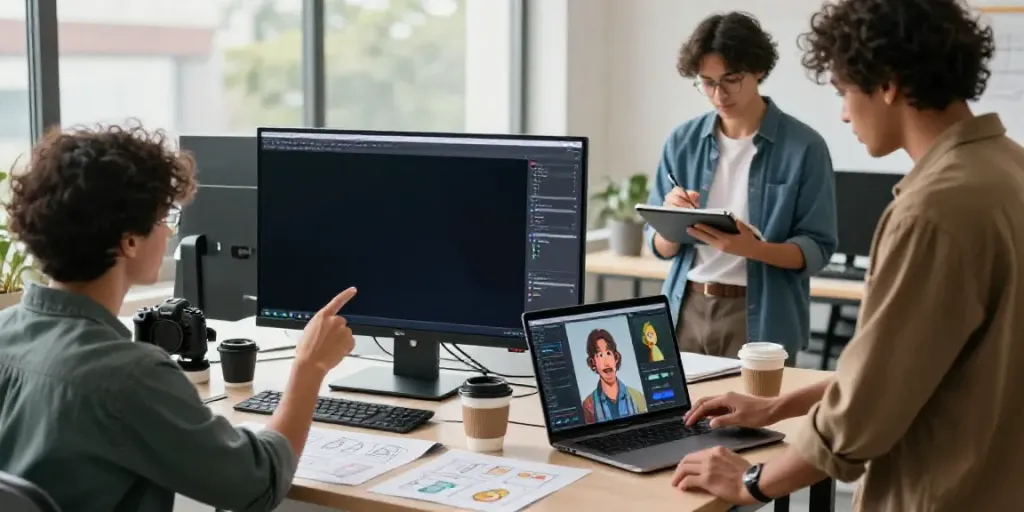
The advent of technology has transformed the creative landscape, enabling individuals and businesses to drive compelling narratives through various forms of media. One fascinating innovation in this domain is the AI image to video generator, which allows users to convert static images into dynamic videos. This technology harnesses the power of artificial intelligence to add movement, context, and sound to still images, making storytelling more engaging than ever before.
What is an AI Image to Video Generator?
An AI image to video generator is a tool that uses artificial intelligence algorithms to transform static images into animated videos. This involves creating visual motion, adding effects, and often incorporating sound, resulting in a video that captures viewers' attention. These generators typically require minimal input from the user, often only needing an image and a few settings to produce a finished product. The most advanced tools can even allow users to input specific styles or themes, tailoring the output to meet creative requirements.
The Technology Behind Animation
The mechanics of how AI image to video generators work can be quite intricate. At their core, these tools leverage neural networks—specifically, generative adversarial networks (GANs) and recurrent neural networks (RNNs)—to predict motion and animate imagery. By analyzing vast datasets of videos and images, these algorithms learn to create lifelike movements, enabling them to simulate how a photograph of a person or object would move in real life. This technology opens up new avenues for video content creation, particularly for marketers, educators, and content creators looking to engage audiences more effectively.
Benefits of Using AI for Video Creation
- Time Efficiency: Traditional video creation can be time-consuming, requiring extensive editing and filming. AI generators significantly reduce this workload, allowing instant production.
- Cost-Effective: For those without the budget for professional videography services, AI tools provide an affordable alternative to create high-quality content.
- Accessibility: Many AI image to video generators are user-friendly, making video creation accessible even to those with no technical skills.
- Innovative Creativity: These tools inspire creativity by allowing users to experiment with different animations and effects, which can lead to unique and engaging content.
Choosing the Right AI Image to Video Generator
Key Features to Consider
When selecting an AI image to video generator, it's essential to consider several critical features:
- User Interface: A simple, intuitive interface can greatly enhance the user experience.
- Customization Options: Look for tools that allow you to tailor animations, effects, and audio to fit your vision.
- Output Quality: The ability to export in high-definition formats is crucial for professional presentations.
- Integrations: Some generators work seamlessly with other software, aiding in a smoother workflow.
- Customer Support: Comprehensive customer service can make a significant difference, especially for beginners.
Comparing Popular Generators
In the crowded marketplace of AI video generation, a few standout tools have gained traction:
- Adobe Firefly: Known for its robust features and integration with Adobe's suite, this tool offers high-quality outputs and flexibility.
- Canva Magic Studio: Ideal for users seeking easy-to-use platforms, it combines graphic design and video capabilities seamlessly.
- Aireel: This generator stands out for its multiple AI model options, allowing for varied animation styles.
- Viggle: Offers unique motion templates that help users animate their images creatively.
User Reviews and Feedback Analysis
When looking for the right AI image to video generator, analyzing user reviews can provide insight into the tool's effectiveness and reliability. For instance, platforms like Magic Hour and Heygen have garnered positive feedback for their ease of use and quality outputs, while others may face criticism due to a steep learning curve or limited features. Reading user experiences can help prospective clients gauge which tools suit their needs best.
Best Practices for Creating Engaging Videos
Storytelling Techniques in Video Creation
Effective storytelling is at the heart of engaging video content. When creating videos using AI generators, consider the narrative structure:
- Establish a Clear Theme: Determine the main message or feeling you want to convey.
- Hook the Audience: Capture attention within the first few seconds to encourage viewers to keep watching.
- Use Visual Cues: Leverage motion and animation to enhance the storytelling process.
Crafting Compelling Visuals and Audio
The combination of visuals and audio can dramatically elevate the quality of your videos. Here are some tips:
- Select High-Quality Images: Start with crisp, clear images that are visually appealing.
- Incorporate Sound Wisely: Background music or sound effects should complement the visuals without overwhelming them.
- Maintain Consistency: Ensure that the visual and audio elements align with your intended message and branding.
Optimizing Videos for Different Platforms
Understanding the nuances of various platforms can help maximize the reach of your videos. Here’s how to tailor your content:
- Aspect Ratios: Adjust the video's aspect ratio to fit different platforms, such as 16:9 for YouTube and 9:16 for TikTok.
- Length of Videos: Shorter videos tend to perform better on platforms like Instagram, while longer content might be more suitable for YouTube.
- Call to Action: Include a clear call to action to enhance viewer engagement.
Case Studies: Successful Use of AI Video Generators
Industry Examples of Animated Content
Several companies have effectively utilized AI image to video generators to enhance their marketing campaigns. For example:
- Social Media Campaigns: Brands like Nike have employed animated visuals to promote their products, resulting in higher engagement rates.
- Educational Content: Platforms like MasterClass use animated visuals to summarize complex concepts, making learning more accessible.
Learning from Successful Campaigns
Successful campaigns often share common characteristics. Analyzing these can provide valuable insights:
- Clear Objectives: Effective campaigns start with well-defined goals, ensuring all video content aligns with them.
- Audience Engagement: Encouraging sharing and interaction often leads to greater visibility and impact.
Metrics of Success: What to Measure
When assessing the effectiveness of videos created through AI tools, consider these metrics:
- View Count: Indicates the reach of your video.
- Engagement Rate: Measures how viewers interact with your content through likes, shares, and comments.
- Conversion Rate: Evaluates how often viewers take desired actions after watching, such as making a purchase or signing up.
Future Trends in AI Video Generation
What's Next for AI Image to Video Technology?
The future of AI image to video generation looks promising, with advancements in machine learning paving the way for more realistic animations and quicker processing times. As AI continues to evolve, we can expect to see greater personalization in video production, enabling creators to tailor content even more closely to audience preferences.
Emerging Features and Tools in 2026
By 2026, we might witness several key features in AI video generators:
- Real-Time Animation: The ability to add motion to images instantly, enhancing the speed of content creation.
- Interactive Videos: Generators may allow for viewer choice within videos, leading to a more engaging experience.
- Enhanced Collaboration Tools: Future platforms may provide improved capabilities for teams to work together on projects seamlessly.
Preparing Your Strategy for AI Integration
For businesses looking to leverage AI in their video content strategy, consider the following steps:
- Invest in Training: Ensure your team is aware of how to use AI tools effectively.
- Monitor Trends: Stay updated on the latest developments in AI video technology to remain competitive.
- Evaluate Use Cases: Assess which aspects of your content could benefit most from AI integration.
What are the benefits of using an AI image to video generator?
Utilizing an AI image to video generator offers numerous advantages, including faster production times, reduced costs, and enhanced creative options. These generators make it easier for users of all skill levels to create professional-quality videos, allowing for greater experimentation with styles and themes.
How does video creation improve engagement?
Videos tend to capture attention more effectively than static content. They engage multiple senses and can convey messages more dynamically, which often results in higher viewer retention and interaction rates. Additionally, video content is more likely to be shared across social media, amplifying reach.
Are there costs associated with AI video generation tools?
While many AI video generators offer free basic versions, advanced features and higher quality outputs often come with a subscription or one-time fee. It's crucial for users to evaluate their needs and budget when selecting a tool.
Can I use AI image to video generators for marketing?
Absolutely! Businesses can leverage these tools to create promotional videos, social media content, and customer engagement campaigns. By utilizing eye-catching visuals combined with animations, brands can effectively communicate their messages and drive marketing efforts.
What platforms support AI-generated video content?
Most popular social media platforms, including Facebook, Instagram, TikTok, and YouTube, support AI-generated video content. Additionally, many websites and blogs can embed or share video links, maximizing outreach and engagement.