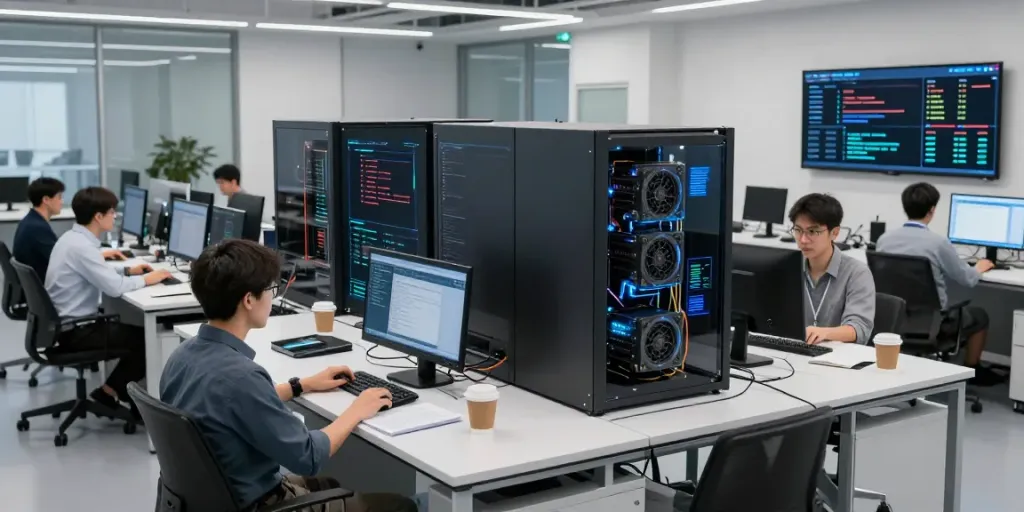
Understanding AI Infrastructure
The evolution of artificial intelligence (AI) has led to a significant demand for robust AI infrastructure, essential for supporting complex algorithms and large data sets. AI infrastructure typically comprises the combination of hardware and software required to develop, run, and manage AI applications efficiently. As businesses increasingly leverage AI technologies, understanding what constitutes effective AI infrastructure becomes crucial for success in this rapidly advancing field.
What Is AI Infrastructure?
AI infrastructure refers to a comprehensive framework that includes the hardware, software, networking, and data storage components necessary for deploying AI solutions. This infrastructure needs to ensure high availability, scalability, and performance to manage AI workloads effectively. Key components include:
- Compute resources, such as GPUs and TPUs, which provide the necessary processing power.
- Storage solutions to handle vast amounts of data needed for training models.
- Networking equipment that ensures efficient data flow between components.
In conclusion, a well-defined AI infrastructure lays the foundation for developing innovative AI solutions while optimizing costs and improving performance.
Key Components of AI Infrastructure
To ensure that AI applications run smoothly, several critical components must be integrated into the infrastructure:
- Hardware: High-performance GPUs and TPUs are essential for heavy computational tasks, while scalable server configurations provide flexibility as demand grows.
- Software: AI frameworks like TensorFlow and PyTorch support model development. Additionally, orchestration tools like Kubernetes facilitate resource management.
- Data Management: Solutions for efficient data storage and retrieval, such as data lakes and warehouses, are vital for effective AI performance.
- Security and Compliance: With AI handling sensitive data, incorporating security measures, including encryption and compliance checks, is paramount.
The Role of Power in AI Infrastructure
Power resources are the backbone of AI infrastructure. Without reliable electricity, the operation of data centers and AI factories becomes unsustainable. Efficient power management ensures that the computing resources can perform at their peak without interruptions. Furthermore, as AI models grow in complexity, so too does their energy consumption. This brings forward the necessity for scalable power solutions that can adapt to evolving AI workloads.
Participating in the AI Token Economy
The AI Token Economy introduces a new dynamic in how participants can engage with AI services. By connecting power directly to AI infrastructure, individuals and organizations can be part of a larger ecosystem that encourages collaboration and resource sharing. Understanding how to navigate this economy is essential for anyone looking to engage effectively.
How the AI Token Economy Works
The AI Token Economy operates on the principle of tokenization, where units of value are created to measure and facilitate AI services. Instead of traditional currency, the economy relies on tokens that are generated based on computational work performed. Each request processed by an AI model generates input and output tokens, providing a measurable way to quantify AI service usage.
Your Role in Supporting AI Infrastructure
As an individual or organization, your role can range from providing power resources to utilizing AI services offered by the AI Token Economy. By selecting an appropriate power plan within platforms like 51 AIpower, you support the energy demands of AI factories and earn rewards based on your contribution. This participatory model allows for meaningful engagement without the need for extensive technical infrastructure.
The Benefits of Participating
Participating in the AI Token Economy brings a multitude of benefits:
- Financial Rewards: By contributing power, you can earn rewards proportional to your usage and the performance of the AI infrastructure.
- Access to Cutting-Edge Technology: Engage with advanced AI services without substantial upfront investment in hardware or software.
- Community Support: Connect with other participants and share insights that enhance your AI applications and infrastructure management.
Choosing the Right Power Plan
Selecting the right power plan is crucial in optimizing your engagement with the AI Token Economy. It can impact both the performance of AI workloads and the rewards you receive, making it essential to evaluate your options carefully.
Types of AI Infrastructure Power Plans
AI infrastructure power plans vary significantly based on the levels of support they provide. Understanding the nuances of each plan can help participants align their power contributions with their intended usage and reward expectations:
- S1 – Core Power Access: Ideal for moderate AI workloads, offering basic support at a competitive rate.
- S2 – Enhanced Power Access: Designed for users with intensified computational needs, providing additional resources and improved performance.
- S3 – Advanced Power Access: Tailored for high-demand applications, ensuring optimal performance for complex AI tasks.
- M1 – Professional Power Scale: Aimed at businesses looking to scale their operations while maintaining efficiency.
- X1 – Large-Scale Power System: Best suited for enterprises with extensive AI requirements, offering maximum resource availability.
Evaluating Power Needs for AI Workloads
When determining which power plan to choose, consider the specific power needs of your AI workloads. Running resource-heavy tasks, such as deep learning models, may require enhanced support, while smaller applications may only need core access. Evaluate your current and future requirements to make an informed decision.
Comparing Contribution Rewards Across Plans
Each power plan offers different structures for calculating rewards based on power contributions. Understanding these structures will allow you to maximize your returns:
- Basic Contributions: Recognized for core users with consistent, low-intensity usage.
- Bonus Incentives: Available for enhanced and advanced users, rewarding higher levels of engagement.
- Performance-Based Rewards: Calculated based on the efficiency of the AI workloads supported by your plan.
Building a Scalable AI Infrastructure
To thrive within the AI Token Economy, organizations must focus on building a scalable AI infrastructure. This involves strategic planning and resource management to ensure that the infrastructure can grow in tandem with increasing demands.
Strategies for Efficient Power Allocation
Efficient power allocation is vital for maintaining cost-effectiveness and performance in AI infrastructures. Methods include:
- Dynamic Scaling: Adjust power resources in real-time based on workload demand to optimize efficiency.
- Load Balancing: Distribute workloads evenly across available resources to prevent bottlenecks.
- Green Energy Integration: Utilize renewable energy sources to reduce costs and promote sustainability.
Best Practices for Managing AI Resources
Effective management of AI resources can significantly enhance operational efficiency. Recommended practices include:
- Regular Monitoring: Use analytics tools to track resource utilization and performance metrics.
- Resource Tagging: Implement a tagging system to facilitate better organization and management of resources.
- Automation: Leverage automation tools to streamline provisioning and management processes.
Utilizing Data for Infrastructure Optimization
Data plays a pivotal role in optimizing AI infrastructure. By collecting and analyzing utilization data, organizations can identify trends and patterns that inform strategic decisions. This approach allows businesses to deploy resources efficiently, reducing waste and facilitating better performance outcomes.
Future Trends in AI Infrastructure
The landscape of AI infrastructure is continually evolving, driven by technological advancements and changing market demands. Staying informed about emerging trends is essential for organizations looking to maintain a competitive edge in this space.
Emerging Technologies Shaping AI Infrastructure
Several key technologies are poised to shape the future of AI infrastructure:
- Quantum Computing: This emerging technology promises exponentially faster processing capabilities, potentially transforming AI capabilities.
- Edge Computing: By processing data closer to the source, edge computing reduces latency and enhances the performance of AI applications.
- Serverless Architectures: Serverless models allow organizations to run applications without managing the underlying infrastructure, leading to cost efficiencies.
Predictions for AI Infrastructure in 2026
As we look towards 2026, several predictions can be made regarding AI infrastructure:
- Increased Integration of AI and IoT: More AI-powered devices will be integrated into existing infrastructures, enhancing data collection and analysis capabilities.
- Focus on Sustainability: There will be a strong emphasis on building energy-efficient AI infrastructures as companies strive to meet sustainability goals.
- Enhanced Security Measures: With rising concerns over data privacy and security, infrastructure will prioritize robust security measures.
Preparing for Changes in the AI Ecosystem
Organizations must remain adaptable to thrive in the changing AI ecosystem. This adaptability includes investing in training for staff, exploring new technologies, and maintaining a focus on customer needs to ensure responsiveness to market shifts.
What Is AI Infrastructure?
AI infrastructure encompasses the essential components needed to develop, run, and manage AI applications. This includes the hardware, software, and networking capabilities necessary for high performance and scalability.
How Can I Participate in AI Infrastructure?
Participation in AI infrastructure can take various forms, from becoming an end-user of AI services to contributing power resources through platforms like 51 AIpower, where you can earn rewards based on your contributions.
What Are the Challenges in Implementing AI Infrastructure?
Organizations face several challenges when implementing AI infrastructure, including high initial costs, technical complexities, and ongoing maintenance requirements. Addressing these challenges involves strategic planning and resource allocation.
How Are Rewards Calculated in the AI Token Economy?
Rewards within the AI Token Economy are typically calculated based on the amount of power resources contributed, the efficiency of the AI workloads supported, and the predetermined rules of the selected power plan.
What Types of Companies Benefit from AI Infrastructure?
Companies across various sectors—such as healthcare, finance, and manufacturing—benefit from AI infrastructure, enabling them to leverage AI technologies for enhanced operations, insightful analytics, and improved customer experiences.