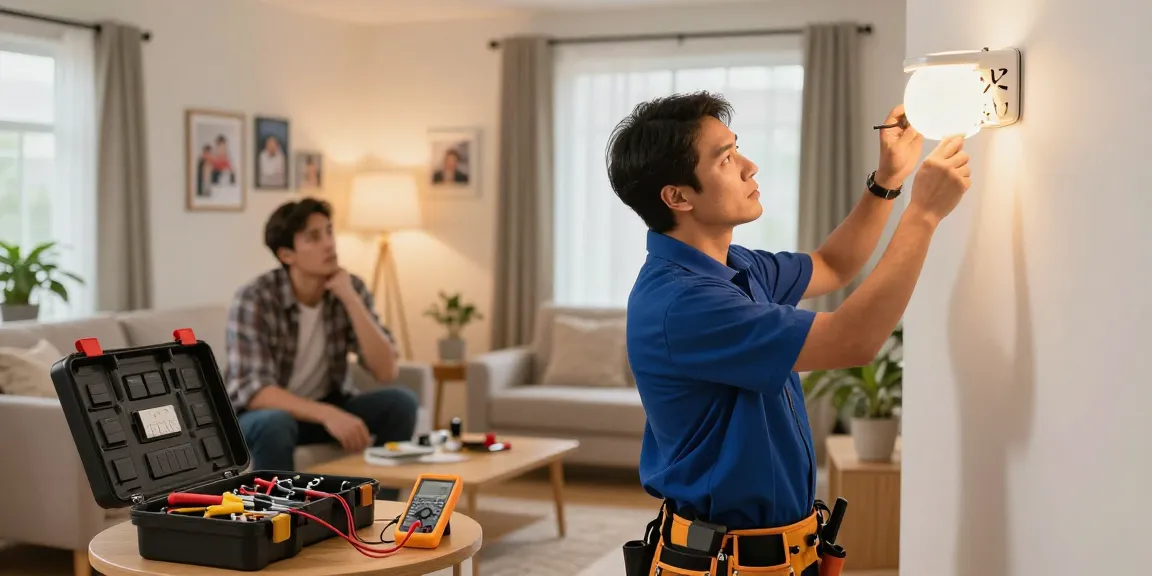
Understanding the Role of an Emergency Electrician
Electrical emergencies can arise without warning, often putting your safety and property at risk. An emergency electrician near me is essential when you face issues that could lead to dangerous situations. They provide immediate assistance that can prevent further complications from arising. Knowing what to expect from these professionals is key to ensuring your home remains safe and functional.
What is an Emergency Electrician?
An emergency electrician is a licensed professional who specializes in resolving electrical issues that require immediate attention. Unlike regular electricians who often work on scheduled projects, emergency electricians are available 24/7 to address urgent matters that cannot wait. This role encompasses a wide range of responsibilities, from diagnosing and repairing issues like power outages to fixing damaged electrical systems that can lead to fires or electrocution risks.
When to Call an Emergency Electrician Near Me
Determining when to call an emergency electrician can sometimes be tricky, but specific signs should not be ignored. If you experience frequent power outages, flickering lights, buzzing noises from outlets, or burning smells associated with electrical equipment, these are clear indicators that you should seek immediate help. Other situations warranting a call include exposed wires, tripping breakers, or any incident that compromises electrical safety.
Common Electrical Emergencies Handled
Emergency electricians are trained to handle a variety of situations, which may include:
- Power outages caused by storms or other events
- Malfunctioning circuit breakers
- Overloaded circuits
- Socket or switch failures
- Electrical fires
- Damaged wiring or connections
Choosing the Right Emergency Electrician
When selecting an emergency electrician, understanding their qualifications and reputation is essential. Not all electricians have the same level of expertise, and knowing how to differentiate between them can save you time and stress when faced with an emergency.
Key Qualifications and Certifications to Look For
It’s crucial to ensure the electrician you hire is licensed and insured. This guarantees that they have met the necessary training and legal requirements to work on electrical systems. Additionally, look for certifications from recognized bodies, indicating that they have undergone specialized training in emergency electrical services. This gives you peace of mind that you are hiring a qualified professional who adheres to safety standards.
Comparing Local Emergency Electricians
With the rise of online directories and review platforms, comparing local emergency electricians has never been easier. Look for professionals who have strong ratings and positive feedback from previous clients. Pay attention to remarks about their response times, professionalism, and the quality of their work, as this can help inform your choice.
Reading Reviews and Testimonials
Reviews and testimonials can provide insight into an electrician's capabilities and reliability. Websites like Yelp, Google Reviews, and even social media platforms can be valuable resources for gauging customer satisfaction. Reading about the experiences of others can help you make a more informed decision about which emergency electrician to call.
The Importance of Timely Electrical Solutions
Addressing electrical issues promptly can prevent minor problems from escalating into severe hazards. Understanding the implications of delays in repairs is crucial for maintaining home safety and minimizing potential damage.
Potential Risks of Delayed Electrical Repairs
Delaying electrical repairs can lead to several risks, including electrical fires, damage to electrical appliances, and even health hazards resulting from electric shocks. For instance, a small short circuit can potentially develop into a significant fire risk if left unaddressed. By calling an emergency electrician as soon as you notice a problem, you can mitigate these risks effectively.
Long-Term Cost Benefits of Immediate Response
While it may seem cost-effective to postpone repairs, immediate intervention often saves more money in the long run. Addressing issues promptly can reduce the risk of more extensive (and expensive) damages and repairs. This proactive approach not only enhances safety but can also help maintain the value of your property.
Safety Standards and Compliance in Emergency Work
Emergency electricians are required to comply with specific safety standards during their work. These standards are set by national and local regulations to ensure that all electrical systems are safe and reliable. Hiring a qualified professional ensures that all repairs and installations meet these requirements, thus safeguarding your home from potential hazards.
Best Practices for Electrical Safety at Home
Maintaining electrical safety in your home is an ongoing responsibility. By following best practices and being aware of common issues, you can prevent emergencies before they arise.
Common Household Electrical Issues to Monitor
Be vigilant about common electrical problems such as:
- Frequent blown fuses or tripped breakers
- Warm or discolored wall outlets
- Flickering lights
- Buzzing sounds from outlets or switches
These issues often indicate underlying problems that need addressing before they escalate into emergencies.
Preventive Measures to Avoid Emergencies
Taking preventive measures can significantly reduce the likelihood of electrical emergencies. Some steps include:
- Regular inspections of electrical systems
- Ensuring proper use of extension cords and power strips
- Installing surge protectors to safeguard electronics
- Keeping electrical panels and circuits accessible and clear of obstructions
Utilizing Home Safety Devices
Investing in home safety devices such as smoke detectors, carbon monoxide detectors, and Ground Fault Circuit Interrupters (GFCIs) can enhance safety. These devices provide critical alerts to potential hazards, allowing you to react swiftly in emergencies.
Future Trends in Emergency Electrical Services (2026 and Beyond)
As technology advances, so do the methods and tools used in emergency electrical services. Staying informed about these trends can help consumers make better choices and improve overall safety.
Technological Innovations in Electrical Safety
Emerging technologies are transforming the electrical industry, making it easier to monitor and manage electrical systems. Innovations such as smart home systems, which integrate automated alerts for electrical issues, are becoming more common. These systems can notify homeowners of potential problems before they require an emergency response.
Predictions for Emergency Service Response Times
As communication technology improves, it's expected that response times for emergency electrical services will decrease. Enhanced dispatch systems and tracking technologies are paving the way for faster arrival times, ensuring that professionals can address emergencies effectively.
Environmental Considerations in Electrical Work
As awareness of environmental issues grows, the electrical industry is adapting. Future practices are expected to prioritize sustainability, with an emphasis on energy-efficient systems and eco-friendly materials. Homeowners can look forward to more green options for electrical installations that reduce environmental impact.
What to Do Before Help Arrives?
In an emergency situation, knowing how to act until the electrician arrives is vital. Ensure that you turn off power at the main breaker to prevent further hazards and avoid using any affected appliances. If it’s a fire-related incident, evacuating the premises and calling emergency services should be the first step.
How to Minimize Electrical Damage in Emergencies?
Minimizing damage during an electrical emergency involves quick thinking and action. Try to isolate the affected area, keep water away from electrical sources, and use fire extinguishers specifically designed for electrical fires. Documenting any damage for insurance purposes is also advisable.
Can I Handle Minor Electrical Issues Myself?
While some minor electrical issues can be handled by homeowners—such as resetting tripped breakers or replacing bulbs—it's crucial to recognize when a problem exceeds your skill level. If you’re ever in doubt, it’s best to contact a qualified electrician to ensure safety
What Are the Costs of Emergency Electrical Services?
The costs of emergency electrical services can vary widely depending on the complexity of the issue and the time of day. Most electricians have higher rates for emergency calls outside regular business hours. Having a clear understanding of potential costs beforehand can help alleviate stress during emergencies.
How to Establish a Relationship with a Local Electrician?
Building a relationship with a local electrician prior to emergencies can be advantageous. Regular maintenance services can foster trust, and knowing who to call in urgent situations can save valuable time. Consider scheduling routine check-ups as a way to familiarize yourself with the services they offer.