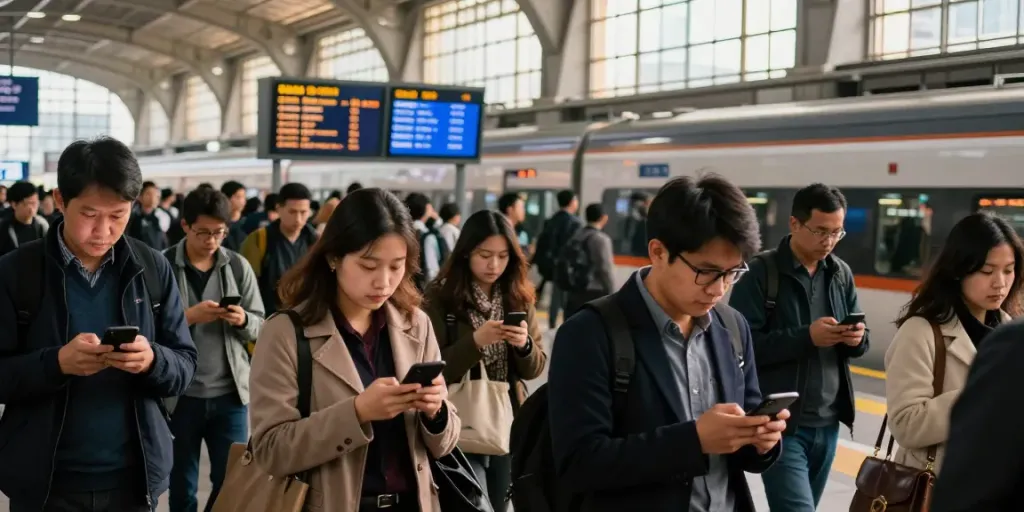
Understanding Transport Delays: Definition and Impact
Transport delays are a common frustration faced by commuters around the globe. These interruptions can occur in various forms, from train strikes to bus service disruptions, affecting daily routines and travel plans. Understanding the definition and implications of transport delays is crucial, especially in a country like Italy, where public transport is a primary mode of travel for many. For instance, applications like transport delays notifications are becoming increasingly popular as they provide valuable real-time updates, helping users navigate their travel more effectively.
What Are Transport Delays?
Transport delays refer to any instance when a means of transportation—be it trains, buses, or metros—does not operate as scheduled. This might be due to various factors, including labor strikes, technical malfunctions, or severe weather conditions. The consequences of these delays can range from mild inconvenience to significant disruptions, impacting not only daily commuters but also businesses relying on timely transport for logistics.
Reasons Behind Common Transport Delays
Several factors contribute to transport delays. Here are some of the most common:
- Labor Strikes: Strikes by transport workers can halt services abruptly, leading to widespread disruption.
- Mechanical Failures: Buses and trains may experience mechanical issues which can cause unexpected delays.
- Weather Conditions: Severe weather such as heavy rain, snow, or fog often leads to service delays.
- Traffic Congestion: Road and rail traffic congestion can slow down transit times significantly.
- Emergency Situations: Unforeseen emergencies, such as accidents or safety incidents, can cause immediate service halts.
Effects of Transport Delays on Commuters
The impact of transport delays on commuters can be profound. They may face:
- Increased Stress: Uncertainty and waiting can lead to heightened anxiety levels among commuters.
- Loss of Productivity: Delays can cause individuals to be late for work, meetings, or social engagements, resulting in lost opportunities.
- Financial Costs: Missing connections or rescheduling can incur additional costs, such as taxi fares or missed workdays.
- Disruption of Daily Routines: Regular schedules are often thrown off, leading to frustration and logistical nightmares.
Current Trends in Transport Delay Notifications
In recent years, the approach to managing transport delays has evolved significantly, primarily due to advancements in technology. Real-time notification systems are now essential for commuters who depend on timely updates to navigate their journeys smoothly.
Importance of Real-Time Notifications for Commuters
Real-time notifications about transport delays are invaluable for commuters. They provide updates on delays, cancellations, and alternate routes, enabling travelers to make informed decisions quickly. These notifications often come through mobile applications, SMS alerts, or social media channels, ensuring users stay updated no matter where they are.
How Apps Are Changing the Way We Handle Transport Delays
Mobile applications have revolutionized how commuters manage transport delays. Apps such as C’è Sciopero allow users to customize their experience by selecting specific regions and transport categories. Users receive push notifications tailored to their preferences, ensuring they only get alerted about delays that affect them directly. This level of personalization not only enhances convenience but also reduces information overload.
Case Studies: Successful Implementation of Delay Notifications
Several cities around the world have effectively implemented delay notification systems. For instance:
- New York City: The Metropolitan Transportation Authority (MTA) provides real-time updates via its website and mobile app, enhancing commuter awareness.
- London: Transport for London (TfL) uses a comprehensive system to report on bus and underground delays, including social media updates.
- Barcelona: The city’s transport authority offers live updates for trains and buses, contributing to significant improvements in commuter satisfaction.
Strategies to Mitigate Transport Delays
Being prepared for potential transport delays can significantly reduce stress and inconvenience. Here are some effective strategies to mitigate their impact:
Planning Ahead: Why Early Preparation Helps
Planning ahead involves checking transport schedules and potential disruptions before setting out. By knowing which routes are prone to delays, commuters can select alternatives, minimizing their risk of being late.
Using Technology to Track Transport Delays
Leveraging technology is essential in today’s fast-paced environment. Apps that provide real-time updates are invaluable resources. Commuters should familiarize themselves with these tools to stay ahead of any potential issues.
Alternative Routes and Methods During Delays
Identifying alternative routes can save time when delays occur. This could mean considering less crowded buses or using different train lines. Additionally, exploring other transport methods such as biking or carpooling can also be beneficial.
Future Developments in Transport Delay Management
As we move further into the future, innovations in transport delay management are expected to gain momentum, ultimately improving commuter experiences.
Predictive Analytics and AI in Transport Systems
Predictive analytics, powered by AI, is set to become a game-changer in how transport systems manage delays. By analyzing historical data, transport authorities can anticipate potential disruptions and proactively communicate them to commuters.
2026: What to Expect in Transport Delay Solutions
By 2026, we can expect significant advancements in the area of transport delay solutions, including enhanced GPS tracking for real-time monitoring, improved algorithms for predictive analytics, and widespread use of mobile applications for instant updates.
How Cities Are Adapting to Reduce Delay Impact
Cities around the world are investing in infrastructure and technology to reduce the impact of transport delays. Initiatives include upgrading rail systems, enhancing bus routes, and implementing smart traffic management systems that can adapt to current conditions.
Frequently Asked Questions on Transport Delays
What are the common causes of transport delays?
Common causes include labor strikes, mechanical failures, severe weather conditions, and traffic congestion.
How can I receive real-time updates on transport delays?
Real-time updates can be received through mobile apps, notifications from transport authorities, or social media channels.
Are there ways to predict transport delays before traveling?
Yes, using apps with predictive analytics can help forecast potential delays based on current conditions and historical data.
What impact do transport delays have on the economy?
Transport delays can negatively affect the economy by causing lost productivity, increased logistics costs, and disruptions to the supply chain.
How can municipalities improve transport systems to reduce delays?
Municipalities can invest in upgrading infrastructure, implementing advanced technologies for real-time monitoring, and improving communication with commuters to enhance overall service efficiency.