Understanding the Electric Convector Heater
If you’re seeking an effective heating solution for your home or office, an electric convector heater could be your ideal choice. These heaters are designed to warm the air efficiently and effectively, utilizing natural convection principles. When exploring options, convector heater technology provides comprehensive insights into the functionality, efficiency, and convenience of modern heating solutions. This guide will explore every facet of electric convector heaters, from their core workings to various models and features, ensuring you make an informed decision.
What Is a Convector Heater?
A convector heater is a type of space heating appliance that harnesses the principle of natural convection to warm indoor environments. Unlike traditional heating systems, which may rely on complex ductwork or radiators, convector heaters offer a straightforward solution. They draw in cold air from the bottom through vents, heat it using electric elements, and then release the warm air back into the room through grilles at the top. This process creates an efficient and consistent warm air circulation, allowing for comfortable temperatures in various settings.
How Does a Convector Heater Work?
The working mechanism of an electric convector heater relies on the natural movement of air. When cold air enters the heater's bottom grid, it passes over an internal heating element—often made of aluminum or other conductive materials. As the air warms up, it expands and rises due to its reduced density. This cycle of drawing in cold air and expelling warm air establishes a continuous flow, maintaining a steady rise in room temperature without the need for fans or mechanical components.
Key Features to Look For
- Adjustable Thermostat: This feature allows users to set and maintain their desired room temperature efficiently.
- Timer Function: Programmable timers help save energy by only operating the heater when necessary.
- Wi-Fi Connectivity: Many modern models now offer smart controls for remote adjustments via apps.
- Safety Features: Look for overheat protection and tip-over sensors to ensure safe operation.
Installation and Placement Tips
Wall-Mounted vs. Freestanding: Which Is Best?
Choosing between a wall-mounted or freestanding convector heater often depends on your heating needs and space utilization. Wall-mounted units are excellent for permanent installations where space-saving is a priority, such as in small bedrooms or offices. They provide a clean aesthetic and keep the floor area open. On the other hand, freestanding models are versatile and can be relocated easily, making them perfect for renters or in areas where heating needs may change.
Optimal Placement for Efficiency
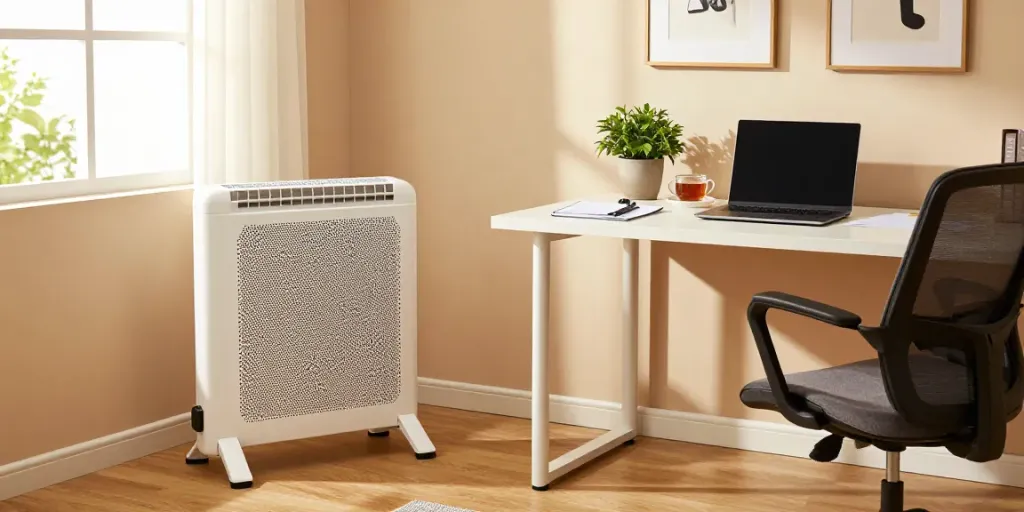
For the best performance, it’s crucial to position your convector heater correctly. Freestanding units should ideally be placed near cold areas, such as under windows or close to exterior walls, to intercept cold drafts effectively. Ensure that there is a clearance of at least 50 cm in front and 30 cm above the heater to facilitate proper airflow and prevent overheating.
Electrical Safety Precautions and Guidelines
Electric convector heaters can draw significant power, so observing electrical safety is paramount. Always plug them directly into a grounded wall outlet and avoid using extension cords. Ensure the heater is not obstructed by curtains, furniture, or other objects, as this could create a fire hazard. Additionally, if you plan to use a heater in wet areas like bathrooms, ensure it meets local regulations regarding ingress protection ratings (IP ratings).
Cost and Energy Efficiency
How Much Electricity Does a Convector Heater Use?
Understanding the energy consumption of your convector heater is essential for managing heating costs effectively. The energy used by a heater can be calculated by multiplying its power output (in kilowatts) by the number of hours it runs. For example, a 2,000W heater used for three hours would consume 6 kWh of electricity. By monitoring usage and employing programmable timers, you can significantly reduce energy waste.
Calculating Your Running Costs
Your total heating costs will depend not only on how much energy the convector heater consumes but also on your local electricity rates. The formula to calculate running costs is straightforward: multiply the electricity consumed (kWh) by the cost per kWh on your electricity bill. This makes it critical to keep track of usage patterns and adjust settings to avoid unnecessary costs.
Identifying the Most Cost-Effective Models
When selecting a convector heater, it is not only the wattage that dictates expense. Many modern units now incorporate features such as smart thermostats and programmable timers which can substantially lower running costs. Look for models that provide efficient heating while also enabling you to set schedules that adapt to your lifestyle, ensuring energy isn't wasted heating unoccupied spaces.
Comparative Analysis of Heating Options
Convector Heaters vs. Oil-Filled Radiators
While both convector heaters and oil-filled radiators serve to warm spaces, their operational mechanics differ. Oil-filled radiators radiate heat from the heated oil contained within, creating a more consistent, longer-lasting warmth even after the heater is turned off. Conversely, convector heaters offer immediate warmth and are generally more portable. This makes them suitable for short-term or targeted heating needs. The choice between the two depends largely on your heating preferences, room size, and frequency of use.
Convector Heaters vs. Fan Heaters
Fan heaters provide rapid warmth through forced air circulation, making them suitable for quick heating in small spaces. However, they can be noisy and may dry out the air. In contrast, convector heaters operate silently, providing a gentler and more uniform heating experience without disturbing the air quality. If you favor quiet and consistent heating, convector heaters are the better option.
When to Use a Convector Heater as Primary Heating
Using an electric convector heater as a primary heating source can be effective in well-insulated homes or apartments. They are particularly beneficial in modern properties designed to retain heat efficiently. To maximize their effectiveness as the main heat source, ensure they are appropriately sized for the room and consider factors such as insulation quality and outside temperatures.
Common Concerns and FAQs
What Are the Disadvantages of Convector Heaters?
Despite their advantages, electric convector heaters have some limitations. For instance, they may not be ideal for very large spaces without multiple units. Additionally, users should consider the impact on electricity bills during prolonged use, especially in poorly insulated areas where heat loss may occur rapidly.
Can a Convector Heater Heat a Whole House?
While electric convector heaters can effectively warm individual rooms, they are not usually designed to heat an entire house efficiently. However, they can be utilized strategically in specific areas for zonal heating, allowing you to maintain comfort without activating the whole central heating system.
Key Safety Features and Recommendations
Modern electric convector heaters often include essential safety features such as overheat protection, which automatically shuts off the heater if it gets too hot. Some models also feature tip-over protection, ensuring safety in busy households. It's important to regularly check these features for their functionality to ensure safe operation.