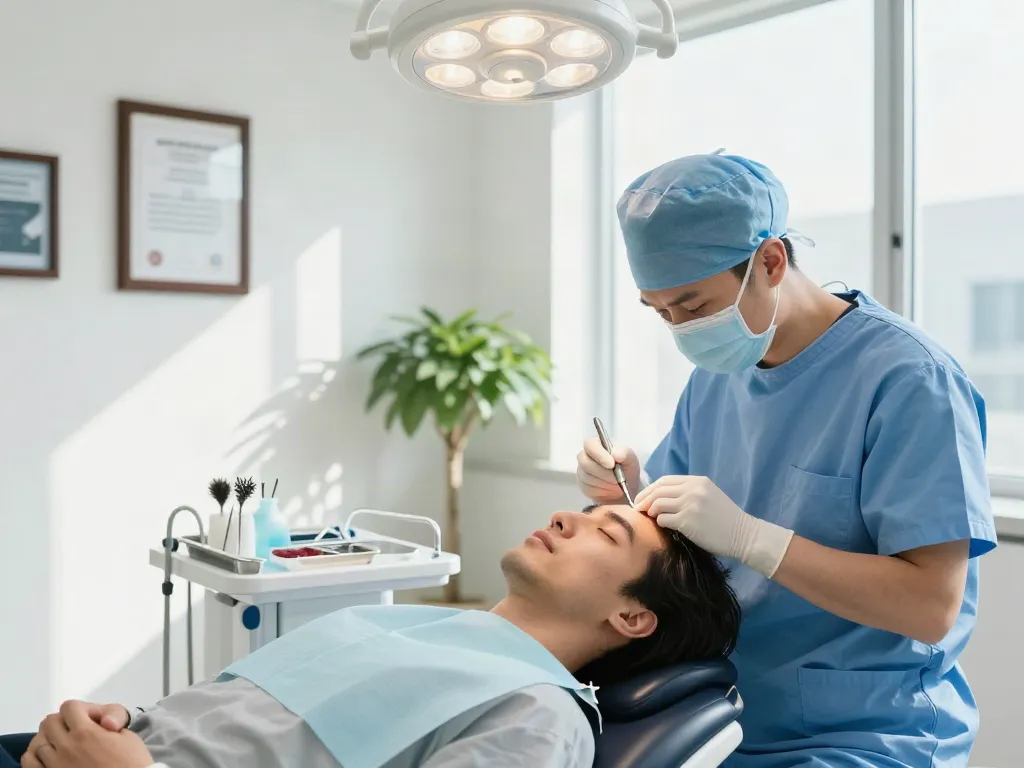
Understanding Hair Transplants
A hair transplant is a revolutionary solution for combating hair loss, offering individuals a way to regain confidence and restore their youthful appearance. This surgical procedure involves transferring healthy hair follicles from a donor area—typically the back or sides of the scalp—to areas where hair is thinning or completely absent. As advancements in techniques continue to evolve, patients are now able to achieve natural, scar-free results that look and feel authentic. For a closer look at the various options available, Hair Transplant services in Malaysia provide comprehensive insights and state-of-the-art procedures to consider.
What is a Hair Transplant?
A hair transplant is a surgical procedure designed to relocate hair follicles from one part of the body, usually referred to as the donor site, to areas experiencing thinning or baldness. The most common donor sites are the back and sides of the head, where the hair is typically resistant to the effects of male or female pattern baldness. This method not only redistributes hair but also ensures that the results are permanent and look natural over time.
Common Causes of Hair Loss
Hair loss can stem from a variety of factors, including genetics, hormonal changes, medical conditions, and even lifestyle choices. The following are some key contributors:
- Genetics: The most common cause of hair loss, often referred to as androgenetic alopecia.
- Hormonal Changes: Conditions such as pregnancy, menopause, or thyroid issues can impact hair growth.
- Medical Conditions: Diseases like alopecia areata, scalp infections, or autoimmune disorders can lead to hair thinning.
- Lifestyle Factors: Poor diet, stress, and certain medications can also contribute to hair loss.
Who Are Ideal Candidates for Hair Transplant?
While many individuals may consider a hair transplant, not everyone is a suitable candidate. Ideal candidates typically exhibit the following characteristics:
- Adequate donor hair supply in the back or sides of the scalp.
- Clear pattern of hair loss, such as male or female pattern baldness.
- Realistic expectations regarding the outcomes and recovery process.
- Age, as younger patients may still experience ongoing hair loss.
Consulting with a qualified specialist is essential to determine candidacy and to discuss the most suitable treatment options.
Types of Hair Transplant Techniques
There are several hair transplant techniques available, each with unique advantages and considerations. Understanding these methods will help you make an informed decision about which might be best for your individual needs.
Follicular Unit Extraction (FUE) Explained
Follicular Unit Extraction (FUE) is a minimally invasive technique where individual hair follicles are extracted directly from the donor area using a specialized punch tool. These follicular units are then implanted into the recipient site.
- Pros: Minimal scarring, shorter recovery time, and ideal for patients preferring shorter hairstyles.
- Cons: Longer extraction time for large sessions and potentially higher costs per graft compared to FUT.
Follicular Unit Transplantation (FUT) Overview
Follicular Unit Transplantation, often referred to as the strip method, involves removing a thin strip of scalp from the donor area. The strip is then dissected under a microscope into individual follicular units for transplantation.
- Pros: Can yield a higher graft count in a single session and is often more cost-effective per graft.
- Cons: Leaves a linear scar and longer initial healing time.
Direct Hair Implantation (DHI) Insights
Direct Hair Implantation is an advanced variation of FUE that allows for the extraction and implantation of hair follicles using a specialized pen-like device. This method enables more precise placement of grafts without the need for pre-made incisions.
- Pros: Enhanced control over density and angle of implanting hair, potentially leading to a higher graft survival rate.
- Cons: More labor-intensive, which can increase the overall cost.
Evaluating Hair Transplant Costs
Understanding the cost factors associated with hair transplants is vital for those considering this procedure. Costs can vary significantly depending on multiple aspects, including the chosen technique, the number of grafts needed, and the clinic's reputation.
General Cost of Hair Transplants in Malaysia
In Malaysia, hair transplant costs typically range from RM8,000 to RM30,000, translating to approximately RM5 to RM15 per graft. This pricing is notably more affordable compared to similar procedures in the US or Europe, which can be 40% to 60% higher.
Factors Affecting Hair Transplant Pricing
The cost of a hair transplant can be influenced by several key factors:
- Technique: Different methods (FUE, FUT, DHI) carry various costs.
- Graft Count: The total number of grafts needed plays a critical role in determining price.
- Clinic Reputation: Established clinics with a history of successful outcomes may charge higher fees.
- Surgeon’s Experience: A highly experienced surgeon may command a premium for their expertise.
Financing Options for Hair Restoration Procedures
Many clinics offer financing options to help manage the cost of hair restoration. It's important to inquire about these opportunities to determine what works best for your financial situation. Options might include:
- Payment plans from the clinic.
- Medical financing services providing loans for cosmetic procedures.
Choosing the Right Clinic
Selecting the right clinic for your hair transplant is crucial to achieving desired outcomes. Factors to consider include the clinic's reputation, technology used, and the expertise of the medical team.
What to Look for in a Hair Transplant Clinic
When selecting a clinic, consider the following aspects:
- Accreditation: Ensure the clinic is accredited by relevant health authorities.
- Surgeon Qualifications: Check the qualifications and experience of the surgeons.
- Technology: Look for clinics using the latest techniques and equipment.
- Patient Feedback: Review testimonials and before-and-after photos from previous patients.
Importance of Credentials and Accreditation
Credible clinics will often have certifications from prestigious associations and health authorities. This adds a layer of assurance regarding the safety and quality of care you can expect.
Patient Testimonials and Success Stories
Reading testimonials and success stories can provide insight into real-life experiences from patients who have undergone the procedure. Look for clinics that showcase positive results and patient satisfaction ratings.
Future Trends in Hair Restoration
The field of hair restoration is rapidly evolving, with innovations continually enhancing the ways hair transplants are conducted and their outcomes.
Innovations in Hair Transplant Procedures
Emerging technologies in hair transplantation include robotic-assisted procedures that offer precision in graft extraction and placement. Such advancements can improve efficiency, reduce recovery times, and enhance overall results.
2026 Predictions for Hair Restoration Technologies
Looking ahead, it’s anticipated that hair restoration technologies will become more personalized, incorporating genetic insights to tailor procedures to the individual patient’s unique hair loss pattern. Moreover, advancements in stem cell technology may one day allow for non-invasive hair growth solutions.
Emerging Practices and Techniques for Hair Health
New practices, such as PRP (Platelet-Rich Plasma) therapy, are gaining traction as complementary treatments to hair transplants. These techniques focus on promoting the health of existing hair follicles and preventing further loss.
How long will hair transplants last?
Generally, hair transplants provide permanent results, given that the transplanted hair retains its genetic resistance to hair loss. Proper post-operative care enhances longevity.
How much do 3,000 hair grafts cost in the USA?
The cost for 3,000 hair grafts in the US can range from $12,000 to $30,000 depending on the clinic and technique chosen. This price highlights the affordability of procedures available in Malaysia.
How risky are hair transplants?
Hair transplants are considered safe when performed by experienced professionals. However, like any surgical procedure, there are risks, including infection, scarring, and dissatisfaction with the results.
Is a hair transplant 100% successful?
While the success rates for hair transplants are high, individual outcomes can vary. Factors like hair type, skill of the surgeon, and adherence to post-operative care can impact results.
What is the recovery process after a hair transplant?
Recovery from a hair transplant typically involves some initial redness and swelling, which can last for several days. Patients are advised to avoid strenuous activities for a short period and follow the clinic’s guidelines for optimal healing.