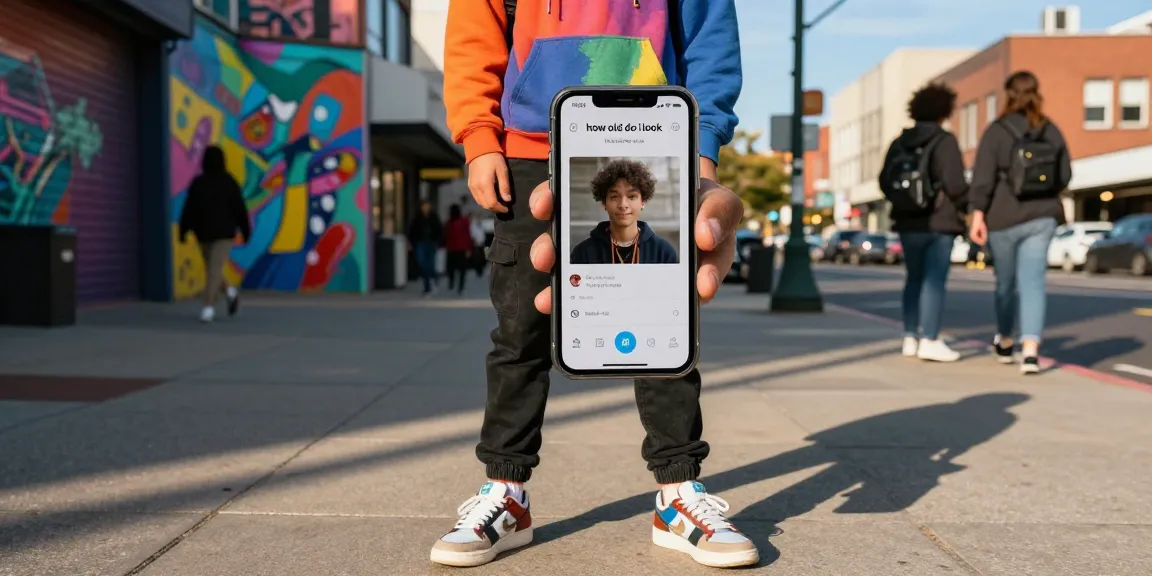
Understanding the Technology Behind Age Estimation
As technology continues to evolve, the way we perceive age has also transformed significantly. Tools that estimate how old you appear can provide insights that are both fun and intriguing. Leveraging advanced algorithms and facial recognition technology, these applications analyze facial features to offer a close approximation of your biological age. For anyone curious about their outward appearance versus their actual age, understanding how these technologies work is essential.
What is Facial Recognition Technology?
Facial recognition technology uses artificial intelligence (AI) to identify and verify individuals by analyzing their facial features. This technology breaks down facial images into data points, such as the distance between eyes, the shape of the jawline, and skin texture. By comparing these data points to a database of known faces, the system can recognize and assess the age of an individual. This technology is not only utilized in security systems but also plays a pivotal role in age estimation applications.
How AI Analyzes Facial Features
AI analyzes facial features through machine learning algorithms that have been trained on vast datasets comprising images of faces across various ages. By employing neural networks, these algorithms identify patterns related to age, such as wrinkles, skin tone, and other characteristics. This process allows the AI to deliver a relatively accurate estimate of how old an individual appears. The sophistication of these algorithms improves as more images are processed, leading to better accuracy over time.
The Science of Age Perception
Perception of age is subjective and can be influenced by various factors, including cultural backgrounds and societal norms. Psychologists suggest that certain facial features are universally associated with youth or aging, such as smooth skin and a lack of facial hair for youth and more pronounced wrinkles for aging. Age estimation apps leverage this psychological understanding to predict how old someone looks, often confirming or challenging personal perceptions of age.
How to Use Age-Guessing Apps Effectively
When utilizing tools to determine how old do I look, it is crucial to maximize the accuracy of the results by following some best practices. These apps can offer entertaining insights, but their effectiveness is largely dependent on how they are used.
Selecting the Right Photo for Accurate Results
The choice of photo can significantly impact the outcome of age estimation. It is advisable to use a clear, well-lit image where your face is unobstructed. Avoid using images with heavy makeup or filters that can alter your natural features. A frontal view is typically the most effective for accurate analysis.
Privacy Considerations When Using Apps
As appealing as these apps may be, it is important to consider privacy. Always review the app’s privacy policy to understand how your data, especially your images, will be stored and used. Opt for platforms that prioritize user privacy and offer secure upload methods. Some apps may even allow usage without requiring personal information, enhancing your privacy further.
Understanding App Limitations in Age Estimation
No application is perfect, and age estimation tools are no exception. Factors like lighting conditions, camera quality, and image resolution can affect the results. Additionally, an app’s algorithm may not capture unique features that contribute to an individual's perceived age. Therefore, while these tools can provide interesting insights, they should not be taken as definitive measurements.
Exploring Popular “How Old Do I Look” Apps
The market is filled with various age estimation apps, each boasting unique features and capabilities. This section provides a closer look at some leading platforms available today.
An Overview of Leading Age Guessing Platforms
Among the top apps, FaceAge.ai and Fotor are frequently mentioned. Both platforms allow users to upload images and utilize AI to analyze facial features, providing instant feedback on perceived age. Notably, these apps are user-friendly and designed for quick engagement, making them accessible to a wide audience.
Comparative Analysis of Features and Accuracy
Features vary widely among age estimation apps. Some offer live scanning capabilities, while others require photo uploads. Accuracy can also differ based on the underlying algorithms. Many users report that apps with larger databases tend to provide more reliable estimates. Users should explore reviews and comparisons to choose an app that aligns with their needs.
User Reviews and Experiences
User feedback plays a critical role in understanding the effectiveness of these applications. Common themes in reviews include the accuracy of the age guesses and the user experience. Some users enjoy the fun aspect of guessing their age, while others value the insights it provides about their looks. Despite the variability in experiences, many agree that these apps serve as engaging tools for self-exploration.
Common Misconceptions About Facial Age Estimation
With the rise of age estimation technology, several misconceptions have surfaced. It’s crucial to address these misunderstandings to ensure users have realistic expectations of these tools.
Are AI Results Always Accurate?
Many users assume that AI-generated results are entirely accurate, but this is not always the case. While these technologies have significantly improved, they are still subject to errors, particularly with atypical facial features. An understanding of the technology’s limitations can help set realistic expectations.
The Role of Lighting and Environment
Lighting plays a crucial role in age estimation results. Poor lighting can obscure facial features, leading to inaccurate assessments. Natural light is often the best choice for capturing images, as it reveals true skin tones and textures, enhancing the algorithm's ability to make accurate predictions.
How Age Guessing Affects Self-Perception
Using these apps can influence personal perceptions of age and self-image. While many find the experience fun, it can also lead to comparisons with societal standards of beauty and aging. It’s essential for users to approach these results with a healthy mindset, recognizing that age is a multifaceted concept beyond mere appearance.
The Future of Age Estimation Technology
As advancements in AI and machine learning continue, the future of age estimation technology is promising. New developments are expected to enhance accuracy and usability, making these tools even more relevant.
Emerging Trends in AI and Facial Recognition
Current trends suggest a shift towards more personalized applications that consider factors like ethnicity and gender to refine age predictions further. As datasets become more diverse, the technology will likely improve, resulting in higher accuracy rates across different demographics.
Potential Applications Beyond Age Estimation
Beyond simply guessing age, this technology has potential applications in various fields, including health care, beauty, and marketing. For instance, it could be used to tailor products to specific age groups or create targeted advertising strategies based on facial demographics.
What to Expect in 2026 and Beyond
Looking ahead, we can anticipate more integrated and intelligent systems that blend age estimation with other biometric data. This technology could become commonplace in industries ranging from retail to personal health, providing a deeper understanding of consumer behavior and preferences.
What are the most accurate apps for estimating age?
The accuracy of age estimation apps can vary significantly. Leading applications typically employ sophisticated algorithms and extensive image databases, improving their predictive capabilities. User reviews and expert analyses can help identify the most reliable options available.
Can age estimation apps protect my privacy?
Privacy is a major concern when using age estimation apps. Many reputable platforms have measures in place to protect user data. It’s advisable for users to read privacy policies carefully and choose apps that prioritize transparency and user rights.
How can lighting affect age estimation results?
Lighting conditions can drastically impact the perceived age in photos. Shadows and highlights can distort features, leading to inaccurate estimations. Natural lighting is generally recommended for the best results.
Are there any age estimation apps that are free to use?
Several age estimation apps are available for free, offering users a chance to explore age estimation without financial commitment. However, these apps may include ads or offer premium features at a cost, so it’s essential to check what each app provides before making a choice.
How has AI technology changed age perception?
AI technology has revolutionized how we understand and perceive age. By providing detailed insights into our appearance, these tools encourage discussions about aging, beauty standards, and self-acceptance, contributing to evolving perspectives on what it means to look a certain age.