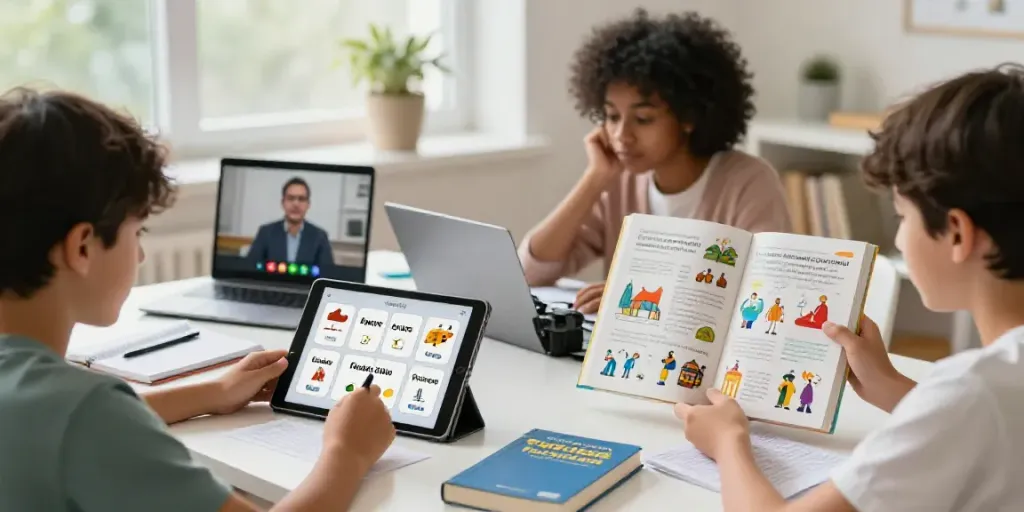
Understanding the Basics of Language Learning
Language learning is an essential skill that transcends mere communication. It opens doors to new cultures, enhances cognitive abilities, and facilitates personal and professional growth. With the right resources and strategies, anyone can master a new language efficiently. One such resource is Limasollu Naci Eğitim Setleri, which offers a structured approach to learning English and other foreign languages through innovative methods. When exploring options, Toto provides comprehensive insights into effective language acquisition strategies.
What is Language Learning?
Language learning is the process of acquiring the ability to communicate effectively in a language other than one's native tongue. This encompasses understanding and producing spoken and written forms of language. The journey typically includes mastering vocabulary, grammar, pronunciation, and cultural nuances that shape language use. Effective language learning often incorporates various methodologies, from traditional classroom instruction to modern online platforms that utilize interactive and multimedia content.
Key Principles of Effective Language Acquisition
- Engagement: Learners must be actively engaged with the material. This can be achieved through interactive lessons, video content, and real-life conversations.
- Consistency: Regular practice is crucial. Consistency in studying, whether daily or weekly, helps solidify knowledge and build fluency.
- Diverse Resources: Utilizing a variety of resources, such as books, online courses, apps, and language exchanges, enriches the learning experience and caters to different learning styles.
- Cultural Context: Understanding the cultural background of a language enhances comprehension and appreciation of nuances in communication.
Common Challenges in Language Learning
Many learners encounter challenges while trying to master a new language. These can include difficulty in grasping complex grammatical structures, lack of confidence in speaking, and limited exposure to native speakers. Additionally, motivation can wane over time, especially when progress seems slow. Addressing these challenges involves adopting a growth mindset, setting realistic goals, and seeking support through tutoring or language groups.
Innovative Strategies for Learning English and Other Languages
The landscape of language learning is rapidly evolving, with technology playing a pivotal role in making it more accessible and engaging. Innovative strategies such as interactive tools and multimedia resources are revolutionizing how we learn languages. Integrating these methodologies into your study routine can significantly enhance your language acquisition process.
Utilizing Interactive Learning Tools
Interactive learning tools, such as language-learning apps and online platforms, provide an engaging way to practice language skills. These tools often include gamified elements that keep learners motivated, allow for personalized learning paths, and facilitate immediate feedback. Incorporating tools like Limasollu Naci Eğitim Setleri can offer structured content alongside interactive exercises, making the learning process enjoyable and effective.
Incorporating Multimedia Resources for Engagement
Using multimedia resources, such as podcasts, videos, and music, can enhance listening skills and pronunciation. These engaging formats expose learners to various accents and colloquial expressions, enriching their understanding of the language. Platforms that offer a combination of audio-visual and textual resources, like those provided by Limasollu Naci, can significantly contribute to a learner’s fluency and comprehension.
Best Practices for Self-Study and Practice
Self-study is a critical component of language learning. To maximize effectiveness, learners should set specific goals, create a study schedule, and incorporate varied activities, such as reading, writing, and speaking exercises. Regularly assessing progress through quizzes or informal conversations can also help maintain motivation and focus on areas needing improvement.
Advanced Techniques for Fluency
Achieving fluency in a new language requires advanced techniques and a commitment to immersive experiences. These methods not only enhance language skills but also boost confidence in using the language in real-world situations.
Immersive Learning Experiences
Immersive learning experiences, such as language immersion programs or travel to countries where the language is spoken, can significantly enhance fluency. Such experiences force learners to adapt quickly and practice their skills in daily interactions. Alternatively, local cultural events or language meetups can provide valuable practice opportunities without the need for international travel.
Conversation Practice with Native Speakers
Engaging in conversation with native speakers is one of the most effective ways to improve language proficiency. This practice helps learners gain insight into colloquial speech, cultural references, and idiomatic expressions that are often not covered in textbooks. Language exchange partners or conversation clubs can facilitate these interactions, providing a safe space for learners to practice and receive constructive feedback.
Utilizing Technology for Continuous Improvement
Technology continues to evolve, offering learners new ways to enhance their language skills. Tools like speech recognition software can assist in perfecting pronunciation, while online forums and social media platforms allow for real-time communication with native speakers worldwide. Leveraging these technologies helps learners stay connected and engaged in their language learning journey.
Measuring Progress in Language Competence
Measuring progress is essential for understanding how well one is learning a new language. This not only helps keep learners motivated but also allows them to adjust their study methods to be more effective.
Setting Realistic Goals and Milestones
Establishing specific, measurable, attainable, relevant, and time-bound (SMART) goals is crucial for language learners. These goals can range from completing a certain number of lessons to being able to hold a conversation for a set duration. Setting milestones provides a sense of accomplishment and encourages continued effort.
Use of Language Assessment Tests
Language assessment tests can provide valuable benchmarks for gauging progress. Tests such as the CEFR (Common European Framework of Reference for Languages) levels offer standardized measures of proficiency. Many resources, including those from Limasollu Naci, provide practice tests to prepare learners for official assessments, ensuring they are well-equipped to demonstrate their language skills.
Tracking Learning Progress Over Time
Keeping a journal or log of learning activities and outcomes can help learners visualize their progress over time. This reflection can illuminate areas that require further attention and reinforce successful strategies. Additionally, regular revision of previously learned material ensures retention and understanding.
Future Trends in Language Education by 2026
The future of language education looks promising, with several trends emerging that are likely to shape how languages are taught and learned. As we move towards 2026, here are some key developments to anticipate in the field of language education.
The Rise of AI in Language Learning Environments
Artificial intelligence (AI) is poised to revolutionize language learning by providing personalized learning experiences. AI-driven applications can adapt to individual learning styles and pace, offering customized content that caters to each learner's needs. This technology can streamline the learning process and provide immediate feedback, significantly enhancing the acquisition experience.
Emerging Technologies Enhancing Language Acquisition
Emerging technologies such as virtual reality (VR) and augmented reality (AR) are beginning to find applications in language education. These tools can create immersive environments where learners can practice their language skills in simulated real-life scenarios, providing contextual learning that can enhance retention and application of knowledge.
Predictions for Language Learning Methodologies
As learning preferences evolve, so too will methodologies. Blended learning, which combines traditional classroom methods with online resources, is expected to gain traction. This approach allows for greater flexibility and accessibility, accommodating different learning styles and schedules.
How Will Remote Learning Shape the Future?
The shift towards remote learning prompted by global events has introduced many learners to online language courses. This mode of learning is likely to remain a popular option due to its convenience and accessibility. As technology continues to advance, online courses will incorporate more interactive and engaging elements to enhance the learning experience.
What Are the Benefits of Online Language Courses?
Online language courses offer several advantages, including flexibility in scheduling, a wide range of available resources, and the ability to connect with learners and instructors from around the world. Furthermore, many platforms provide interactive tools and communities that enhance engagement and support in the language-learning journey.