Understanding 5 Axis CNC Machining
In the rapidly evolving landscape of manufacturing, the demand for precision and efficiency has never been higher. Among various machining techniques, 5 axis cnc machining stands out as a key player, enabling manufacturers to achieve complex geometries and intricate designs with remarkable accuracy. This article explores the intricacies of 5 axis CNC machining, its benefits, applications, and how it compares with other machining methods.
What is 5 Axis CNC Machining?
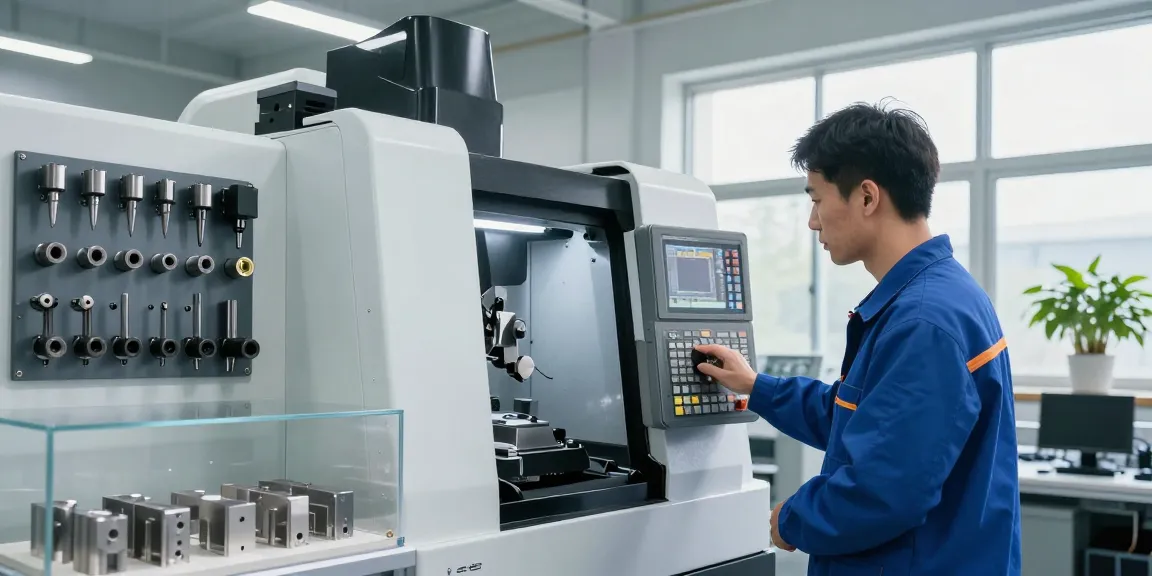
5 axis CNC machining refers to the advanced method of controlling a CNC machine in five different directions. Unlike traditional 3-axis techniques that operate in only three planes (X, Y, and Z), 5 axis machining incorporates two additional rotational axes. This allows for greater flexibility in manipulating the workpiece, enabling the machining of complex shapes that would be impossible with less advanced methods.
Key Benefits of 5 Axis CNC Machining
- Improved Precision: With enhanced control over tool positioning, manufacturers can achieve tighter tolerances, resulting in superior part quality.
- Reduced Setup Time: 5 axis machining minimizes the need for multiple setups, further reducing the risk of errors and boosting efficiency.
- Enhanced Complexity: The ability to approach parts from various angles allows for the creation of intricate designs that traditional machining cannot accommodate.
- Greater Material Utilization: By optimizing tool paths and reducing waste, manufacturers can significantly improve material utilization.
Applications Across Various Industries
5 axis CNC machining is widely used across numerous sectors, including:
- Aerospace: Crafting complex components such as turbine blades and lightweight structures.
- Automotive: Producing intricate parts for engines and chassis that require high precision.
- Medical: Manufacturing patient-specific devices and components that demand rigorous accuracy.
- Consumer Electronics: Creating detailed casings and internal parts for gadgets and devices.
Comparing 5 Axis CNC Machining to Other Machining Techniques
4 Axis vs. 5 Axis: Key Differences
The primary difference between 4 axis and 5 axis machining lies in the additional rotational capability that 5 axis offers. While 4 axis machines can rotate about one axis (typically the X or Y), 5 axis machines can handle rotational movements on both the X and Y axes, resulting in more versatile machining capabilities.
When to Choose 5 Axis CNC Machining?
Manufacturers should consider using 5 axis machining when they require complex geometrical shapes or when part accuracy and efficiency are critical. This technique is particularly beneficial for high-end industries, where precision is non-negotiable.
Limitations of Traditional Machining Techniques
Traditional machining methods often result in limitations such as longer setup times, reduced precision for complex geometries, and increased material waste. In contrast, 5 axis machining streamlines the manufacturing process, allowing for more efficient production.
Best Practices for Efficient 5 Axis CNC Machining
Optimizing Tool Paths for Speed and Precision
To maximize the advantages of 5 axis CNC machining, manufacturers should invest in software that optimizes tool paths, reducing machining time while maintaining precision. This can involve using advanced algorithms that enhance the movement efficiency of the machine.
Material Selection and Its Impact on Machining
Choosing the right material is crucial for successful machining. Materials like aluminum, titanium, and various plastics can affect not only the machining speed but also the overall finish quality. Understanding the properties of materials can lead to better tool selection and machining parameters.
Routine Maintenance for CNC Machines
Implementing a structured maintenance schedule ensures that CNC machines operate at optimal levels. Regular checks on mechanical components, lubrication, and software updates can prevent breakdowns, ensuring consistent performance.
Real-World Examples and Case Studies
Success Stories: Innovative Uses of 5 Axis Machining
Several companies have successfully integrated 5 axis CNC machining into their production processes, leading to significant enhancements in product quality and production efficiency. For example, an aerospace manufacturer was able to reduce lead times by 30% when shifting to 5 axis machining for engine components.
Lessons Learned from Industry Leaders
Industry leaders often share insights on how 5 axis machining has transformed their operations. Key takeaways include the importance of continuous training for operators and leveraging advanced simulation software to predict machining outcomes before actual production.
Case Study: Aerospace Component Production Optimization
An aerospace company faced challenges in producing complex engine components with traditional machining techniques. By transitioning to 5 axis CNC machining, they not only improved precision but also cut production time in half, illustrating the technique's potential for optimization in critical industries.
Future Trends in 5 Axis CNC Machining for 2026
Emerging Technologies Influencing CNC Machining
The future of 5 axis machining will likely be shaped by advancements in automation and AI. These technologies can enhance real-time monitoring and predictive maintenance, further improving efficiency.
Environmental Considerations in Modern Manufacturing
As sustainability becomes a priority, manufacturers are seeking ways to minimize waste and energy consumption. 5 axis machining is inherently more resource-efficient, making it a desirable option for environmentally conscious companies.
Predictions for Market Growth and Development
Analysts predict that the market for 5 axis CNC machining will continue to grow, driven by demand in high-precision industries. Companies investing in this technology will likely have a competitive edge as the industry evolves.
What Are the Challenges Ahead?
Despite its benefits, adopting 5 axis machining comes with challenges such as the need for skilled operators and the higher initial investment costs. However, these challenges can be mitigated through targeted training and phased investments.
Is 5 Axis CNC Machining Sustainable?
The sustainability of 5 axis CNC machining is tied to its efficiency and reduced material waste. As manufacturers continue to prioritize sustainability, 5 axis machining can play a significant role in meeting these goals through optimized production processes.