1. Introduction to the Manaslu Trek
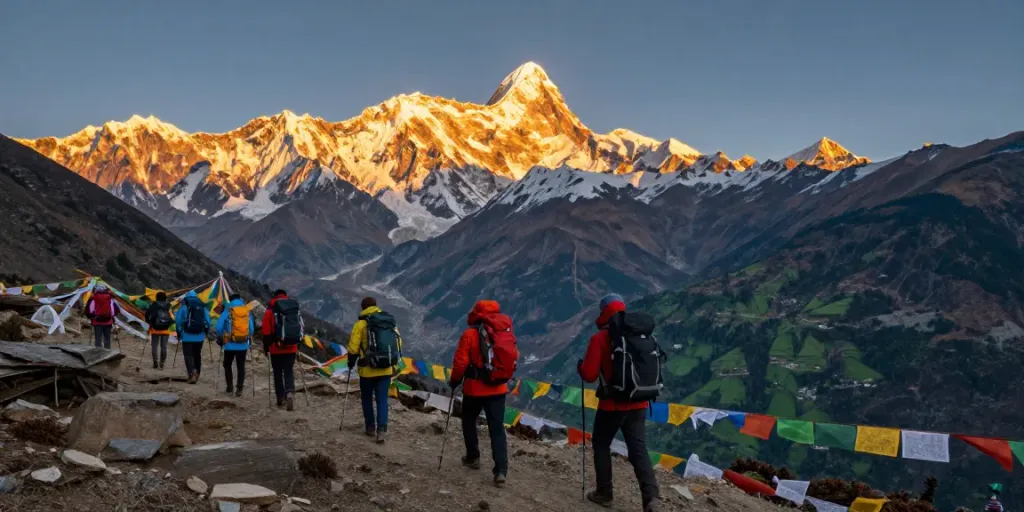
The Manaslu Trek, often regarded as one of the hidden gems of Nepal, offers an exhilarating blend of adventure, culture, and breathtaking landscapes. Nestled in the Gorkha region, this trek takes adventurers around the world’s eighth-highest peak, Mount Manaslu (8,163 meters). As trekkers set foot on this route, they are greeted with majestic mountain views, traditional Tibetan villages, and the serene ambiance of the Manaslu Conservation Area. With its less crowded trails and pristine environment, the Manaslu Trek has become a sought-after destination for those seeking solitude and natural beauty in the Himalayas. When exploring options, Manaslu Trek provides comprehensive insights into this extraordinary journey.
What is the Manaslu Trek?
The Manaslu Trek is a challenging trekking route that encircles Mount Manaslu, offering trekkers an opportunity to experience diverse geographical features, from lush green valleys and terraced fields to high-altitude alpine meadows and rugged mountain terrain. Along this 15-day trekking adventure, participants traverse approximately 177 kilometers, providing a unique chance to immerse themselves in the rich cultural tapestry of the local Gurung and Tibetan communities.
Why Choose Manaslu Trek for Your Adventure?
Choosing the Manaslu Trek means opting for an adventure that combines unrivaled natural beauty with rich cultural experiences. Unlike its more renowned counterpart, the Annapurna Circuit, the Manaslu Trek offers a sense of peaceful exploration away from the crowds. The trek is known for its challenging routes that require a good level of physical fitness but rewards trekkers with stunning views, including the breathtaking Larkya La Pass, lush landscapes, and serene monasteries, providing a truly unique experience.
Overview of Trekking Duration and Distance
The Manaslu Trek typically spans over 15 days, starting from Kathmandu and concluding back in the capital after an exhilarating journey. The trek covers approximately 177 kilometers (110 miles), with daily trekking distances averaging around 15-20 kilometers. Most trekking days range from 5 to 8 hours, allowing sufficient time to acclimatize and soak in the surroundings.
2. Key Highlights of the Manaslu Circuit
Scenic Views and Natural Beauty
One of the most alluring aspects of the Manaslu Circuit is its breathtaking scenery. Trekkers enjoy panoramic views of soaring mountain peaks, including the majestic Manaslu itself, along with numerous other Himalaya mountains. The trail weaves through diverse landscapes, showcasing everything from terraced rice fields to alpine tundra, making it a picturesque adventure that captures the essence of Nepal's natural splendor.
Cultural Experiences Along the Route
The Manaslu Trek is not just about conquering mountains; it's also an immersive cultural experience. Along the path, trekkers encounter vibrant villages rich in tradition, where local customs thrive. Interactions with the Gurung and Tibetan communities provide insights into their unique lifestyles, beliefs, and practices, with opportunities to visit ancient monasteries and observe traditional ceremonies.
Wildlife and Nature in the Manaslu Conservation Area
The trek also offers glimpses of the diverse wildlife inhabiting the Manaslu Conservation Area. From elusive snow leopards to various species of birds, the region is a haven for nature lovers. The unique ecosystem, characterized by rich flora and fauna, enhances the trekking experience while providing crucial habitats that need to be preserved and respected.
3. Essential Preparation for the Manaslu Trek
Physical Fitness and Training Guidelines
To successfully navigate the Manaslu Trek, physical preparation is crucial. Due to the trek's challenging nature, it is advised that participants engage in regular cardiovascular exercises, strength training, and endurance workouts at least two months prior to the journey. This may include activities such as hiking, running, cycling, and stair climbing to build stamina necessary for long days on the trail.
Packing List for the Manaslu Circuit Trek
Proper packing is vital for the Manaslu Trek to ensure a comfortable and enjoyable experience. Essential items to include in your packing list are:
- Layered clothing for temperature variations
- Comfortable trekking boots with good ankle support
- Sleeping bag rated for cold weather
- Personal first-aid kit and medications
- Water purification tablets and reusable water bottle
- Sun protection items like sunscreen and sunglasses
- Durable daypack for daily essentials
- Snacks for on-the-go fuel
Understanding Altitude Sickness and Acclimatization
Altitude sickness is a significant concern for trekkers ascending to high elevations such as Larkya La Pass. It occurs when the body struggles to acclimate to reduced oxygen levels. Symptoms can include headaches, nausea, and fatigue. To combat this, it is essential to ascend gradually, stay hydrated, and allow adequate time for acclimatization, particularly with a planned acclimatization day at Samagaon.
4. Manaslu Trek Itinerary Overview
Day-by-Day Breakdown of the Trek
The Manaslu Trek itinerary spans over 15 days, each filled with adventure and discovery. A sample breakdown includes:
- Day 1: Arrival in Kathmandu and transfer to hotel.
- Day 2: Drive to Machha Khola.
- Day 3: Trek to Jagat.
- Day 4: Trek to Deng.
- Day 5: Trek to Namrung.
- Day 6: Trek to Lho.
- Day 7: Trek to Samagaon.
- Day 8: Acclimatization day in Samagaon.
- Day 9: Trek to Samdo.
- Day 10: Trek to Dharmashala.
- Day 11: Cross Larkya La Pass and trek to Bimthang.
- Day 12: Trek to Goa.
- Day 13: Trek to Dharapani.
- Day 14: Drive to Kathmandu.
- Day 15: Departure from Kathmandu.
Accommodation and Meal Options
Throughout the trek, trekkers typically stay in traditional teahouses, which often provide twin-sharing rooms with shared bathrooms. Meal options include local dishes such as dal bhat, noodles, and soup, with vegetarian options readily available. Breakfasts usually feature toast, eggs, and hot beverages, while dinners provide hearty options to replenish energy after a long day of trekking.
Travel Logistics: Getting to and from the Manaslu Circuit
Travel logistics are smoothly organized, beginning with a private vehicle from Kathmandu to Machha Khola. The return journey is similarly arranged with a private drive from Dharapani back to Kathmandu, making the experience comfortable and efficient.
5. Frequently Asked Questions about the Manaslu Trek
What permits are needed for the Manaslu Trek?
Trekkers are required to obtain several permits to hike in the restricted Manaslu region. These include the Manaslu Restricted Area Permit (MRAP), Manaslu Conservation Area Permit (MCAP), Annapurna Conservation Area Permit (ACAP), and a TIMS (Trekkers Information Management System) card.
How difficult is the Manaslu Trek?
While the Manaslu Trek is moderately challenging, it can be demanding, especially due to its high altitude and daily walking hours. Trekkers should prepare physically and select a pace that prioritizes acclimatization to minimize discomfort.
What is the best time to embark on the Manaslu Trek?
The primary trekking seasons for the Manaslu Circuit are spring (March to May) and autumn (September to November). During these times, the weather is most conducive for trekking, with clear skies and mild temperatures.
Are there any age requirements for trekking the Manaslu Circuit?
There are no official age restrictions for the Manaslu Trek; however, trekkers should be in good health and physically fit. Young trekkers under 10 years are discouraged unless they are experienced and accompanied by adults.
How much does the Manaslu Trek cost in 2026?
The cost for the Manaslu Trek can vary based on several factors, including duration, season, and whether you are trekking independently or with a guided group. Prices typically range from $1,500 to $2,500, with packages offered by various trekking agencies covering transportation, accommodations, meals, and permits.