The Genesis of Wikipedia: A Comprehensive Overview
Wikipedia, the world's largest and most popular online encyclopedia, is a testament to the power of collective knowledge and collaboration. Launched on January 15, 2001, Wikipedia was developed by Jimmy Wales and Larry Sanger, building upon the foundational concept of wikis established by Ward Cunningham. This digital platform was designed as an open-source encyclopedia where anyone could contribute and edit content, setting it apart from traditional encyclopedias which were often produced by a select group of experts. As we delve into the wikipedia history, we see a remarkable evolution that reflects both technological advancements and shifts in knowledge-sharing paradigms.
Understanding the Foundational Concepts of Wikipedia History
The inception of Wikipedia was driven by the desire to democratize knowledge. Unlike traditional encyclopedias, where content was frequently curated by scholars and professionals, Wikipedia allowed users from various backgrounds to contribute. This open model fostered a sense of community and engagement, enabling users to not only read about subjects but also to write and refine articles themselves. The idea was revolutionary: knowledge could be free, accessible, and constantly updated by anyone with internet access.
The Role of Open Editing in Wikipedia's Success
Wikipedia's success can largely be attributed to its model of open editing. Users contribute content, modify existing entries, and correct inaccuracies, ensuring that the information remains current and comprehensive. This collaborative approach has given rise to a vast repository of knowledge, with hundreds of thousands of active contributors improving millions of articles across multiple languages. Nevertheless, this model also presents challenges, including issues of vandalism and misinformation, which Wikipedia's moderation systems strive to mitigate.
Key Milestones from 2001 to 2026
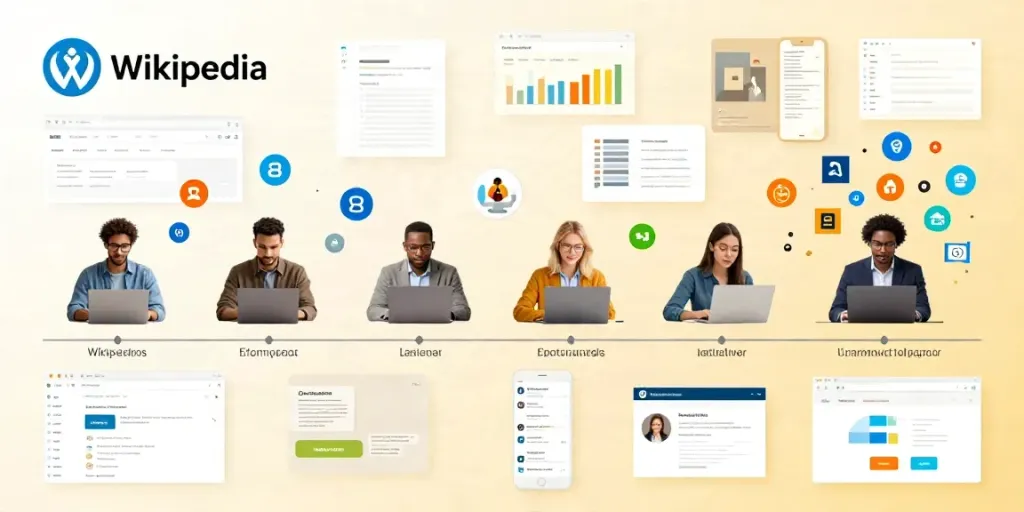
Over its 25 years, Wikipedia has reached numerous milestones that highlight its significance as a global knowledge repository. From exceeding one million articles in the English language by 2006 to rolling out features like Wikidata and mobile access, Wikipedia has continually adapted to the changing landscape of information sharing. Looking toward 2026, Wikipedia aims to enhance its multilingual capabilities and improve the user experience further, ensuring that knowledge remains accessible for all.
Wikipedia's Growth: From a Niche Project to a Global Resource
Wikipedia's growth trajectory is nothing short of extraordinary. Initially a niche project, it has burgeoned into a global resource that serves billions of users around the world. As internet access has expanded and more people are connected, the demand for comprehensive knowledge has skyrocketed, further solidifying Wikipedia's role as a primary source of information.
Analyzing the Surge in Wikipedia's User Base Over the Years
The user base of Wikipedia has exploded since its inception. In 2001, the platform started with just a handful of articles, yet it now boasts over 50 million articles in more than 300 different languages. This growth is indicative of the internet's evolution from static web pages to dynamic, user-driven content. Wikipedia's ability to consistently attract new users stems from its commitment to providing free access to reliable information, making it a go-to resource for students, educators, and general knowledge seekers alike.
The Significance of Multilingual Accessibility in Wikipedia's Evolution
One of Wikipedia's most remarkable features is its multilingual accessibility. This commitment to linguistic diversity allows users from various cultural backgrounds to contribute and engage with content in their native languages. As of 2026, Wikipedia supports over 300 languages, with significant articles available in numerous dialects. This inclusivity not only fosters a sense of community but also ensures that knowledge is not bound by language barriers.
Examples of Major Wikipedia Initiatives and Projects
Throughout its history, Wikipedia has launched several initiatives aimed at improving content quality and increasing user engagement. Projects like WikiProject Medicine aim to create and maintain high-quality medical information, while the Wikipedia Education Program encourages educators to integrate Wikipedia into their curricula. Such initiatives underscore the platform's dedication to fostering a well-informed public and enhancing the educational landscape.
The Community Behind Wikipedia: Editors and Contributors
The heart of Wikipedia lies in its community of editors and contributors, who play a vital role in curating content and maintaining the encyclopedia's standards. Understanding the motivations and challenges faced by these volunteers is essential to grasping Wikipedia's ongoing success and evolution.
Insights into the Motivations of Wikipedia Volunteers
The motivations behind Wikipedia editing vary widely. Many contributors cite the desire to share knowledge and improve the information available online as primary reasons for their involvement. Others may be motivated by a passion for specific topics or a commitment to providing free educational resources. This diverse array of motivations creates a rich and dynamic editing environment, ensuring a broad spectrum of perspectives is represented.
Challenges Faced by Wikipedia Editors Over Time
Despite its successes, Wikipedia editors encounter numerous challenges. Vandalism, systemic bias, and the occasional resistance to change can complicate efforts to maintain accuracy and objectivity. Additionally, the volunteer nature of editing means that Wikipedia relies on the goodwill and time of its contributors, which can vary, leading to fluctuations in content quality. Addressing these challenges is essential for sustaining Wikipedia's reputation as a reliable source of information.
Case Studies of Notable Editors in Wikipedia History
Throughout its history, Wikipedia has witnessed the contributions of several dedicated editors who have left an indelible mark on the platform. Notable figures like Steven Pruitt, known for creating and improving over 300,000 articles, exemplify the commitment that many volunteers bring to the project. Their efforts not only enhance the quality of Wikipedia but also inspire new contributors to engage in the collaborative spirit of knowledge sharing.
Wikipedia's Influence on Knowledge Sharing and Education
The impact of Wikipedia is profound, reshaping how individuals access information and engage with educational resources. As a leading platform for knowledge sharing, Wikipedia has influenced academic research and citation practices across disciplines.
Impact of Wikipedia on Academic Research and Citation Practices
Wikipedia has become an increasingly recognized source in academic research, with many scholars acknowledging its potential value. Its extensive referencing system allows users to delve into primary sources, while the collaborative nature ensures that information is continuously updated. However, scholars also caution against relying solely on Wikipedia without verifying facts through additional sources, thereby emphasizing the importance of critical analysis in the digital age.
Assessing Wikipedia's Role in Educational Institutions
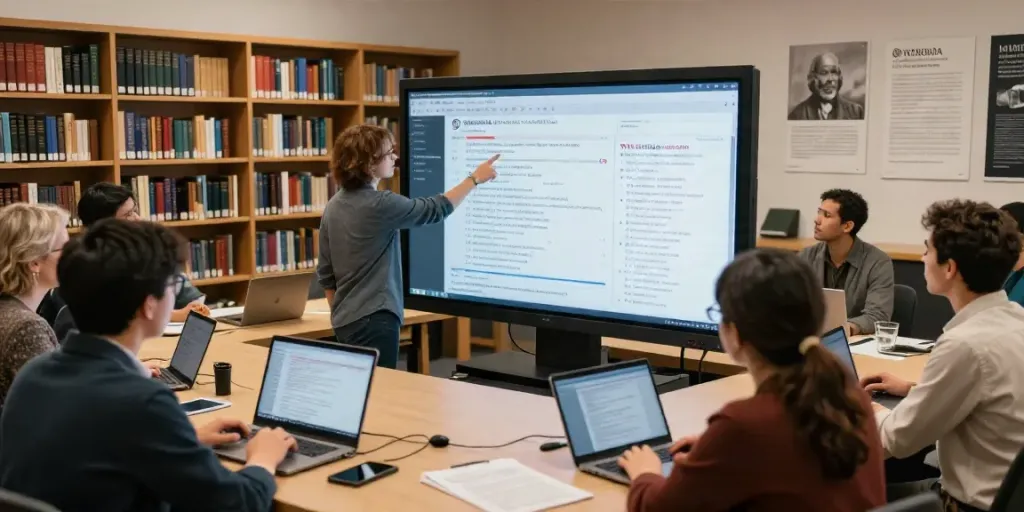
Educational institutions have begun to embrace Wikipedia as a tool for teaching and learning. Many professors encourage students to utilize Wikipedia for initial research while stressing the importance of citation and corroboration. By integrating Wikipedia into the educational framework, institutions aim to cultivate digital literacy skills and critical thinking abilities in students.
Future Trends: The Role of Wikipedia in Digital Learning by 2026
As we look ahead to 2026, Wikipedia's role in digital learning is poised to expand. With the rise of online learning platforms and a growing emphasis on lifelong learning, Wikipedia is likely to serve as a foundational resource for educational content. By continuing to enhance its accessibility and quality, Wikipedia can solidify its place as an essential tool for learners of all ages.
Challenges and Critiques: Navigating the Wikipedia Landscape
While Wikipedia has made significant contributions to knowledge sharing, it is not without its challenges and critiques. Understanding these obstacles is vital for ensuring the platform's long-term sustainability and reliability.
Common Misconceptions Regarding Wikipedia's Reliability
One of the most prevalent misconceptions about Wikipedia is that it is an unreliable source of information due to its open editing model. While inaccuracies can occur, Wikipedia has robust editorial practices in place, including citation requirements and community monitoring. Many studies have shown that Wikipedia's accuracy rivals that of traditional encyclopedias.
The Battle Against Vandalism in Wikipedia History
Vandalism represents a persistent challenge for Wikipedia. Even though the community actively works to revert damaging edits, incidents of vandalism can affect the credibility of articles. Systems like edit-restrictions, monitoring tools, and community flagging procedures help mitigate these challenges and maintain the integrity of information.
Looking Ahead: Addressing Challenges for Wikipedia’s Future
The future of Wikipedia depends on its ability to address ongoing challenges, such as maintaining neutrality and combatting misinformation. As the digital landscape evolves, Wikipedia must continuously adapt, employing advanced technology and community collaboration to preserve its status as a trusted source of knowledge.
What is the significance of Wikipedia's launch year?
The launch year of Wikipedia, 2001, marked the beginning of a new era in knowledge sharing. It established a template for collaborative content creation that many other platforms would emulate.
How many languages does Wikipedia have?
As of 2026, Wikipedia has articles in over 300 languages, making it one of the most linguistically diverse platforms on the internet.
How does Wikipedia maintain the quality of its information?
Quality control on Wikipedia is maintained through community oversight, stringent citation standards, and the combined efforts of editors who continuously update and correct information.
What are the most significant changes in Wikipedia history?
Some of the most significant changes in Wikipedia's history include implementing new features like VisualEditor, establishing Wikimedia Commons, and expanding into structured data with Wikidata.
Why is Wikipedia considered an important educational tool?
Wikipedia is considered an important educational tool due to its free access, vast range of topics covered, and collaborative nature, which allows users to contribute and refine their understanding of knowledge.. Additionally, https://www.wikipedia.org/ provides further details.