Understanding the Role of Overhead Crane Manufacturers
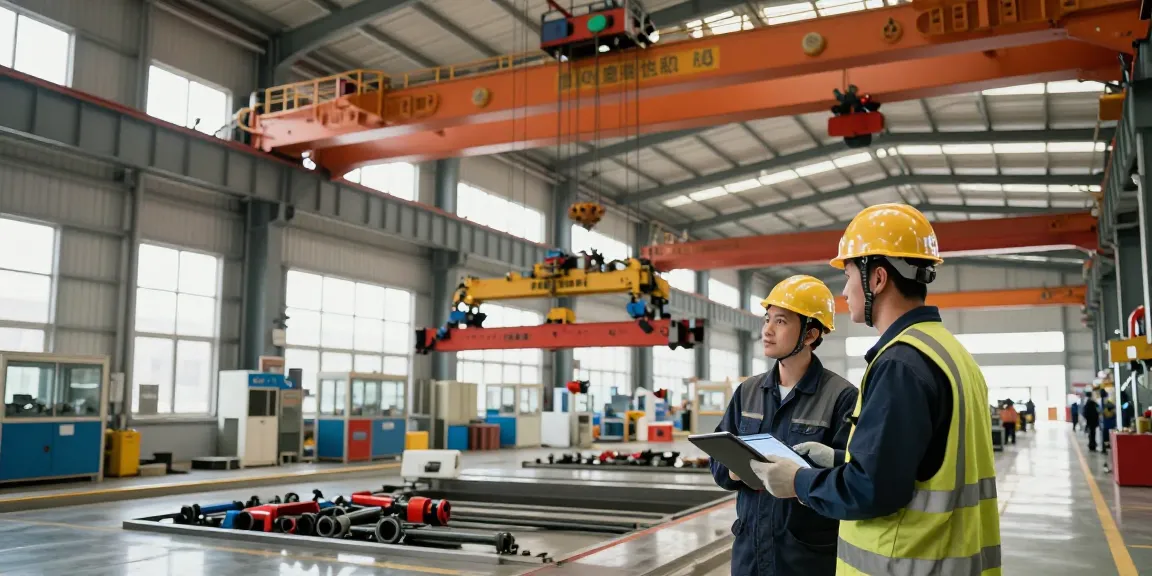
In the industrial landscape, overhead cranes play a crucial role in facilitating efficient material handling and lifting operations. As essential tools in various sectors such as manufacturing, logistics, and construction, these cranes support heavy lifting with precision, safety, and reliability. Selecting an appropriate overhead crane manufacturer can significantly influence the operational efficiency and safety of a facility. Here, we delve into the critical factors that define overhead crane manufacturers and how they affect your lifting solutions.
What Defines an Overhead Crane Manufacturer?
An overhead crane manufacturer is a company that specializes in designing, producing, and supplying cranes, hoists, and other lifting equipment tailored for industrial applications. These manufacturers must adhere to strict engineering and safety standards to ensure their products can perform reliably under various conditions.
Key characteristics of reputable overhead crane manufacturers include:
- Expertise: A solid track record in crane design and fabrication, showcasing innovations tailored to diverse industrial needs.
- Quality Assurance: Rigorous testing protocols and adherence to international safety and quality standards, such as ISO certifications.
- Customization Capabilities: The ability to offer bespoke solutions tailored to specific lifting requirements, dimensions, and operational environments.
- Support Services: Comprehensive customer support from initial inquiry through installation and after-sales service, including operator training and maintenance guidance.
Key Components of Overhead Cranes and Hoists
Overhead cranes consist of several critical components, each designed to ensure safe and efficient lifting operations. Understanding these components is paramount when evaluating manufacturers:
- Crane Girder: The primary structure that bears the load and spans the distance across the workspace.
- Hoisting Mechanism: This includes the motor, reel, wire rope, and controls that lift and lower the load.
- End Trucks: Components that connect the crane girder to the runway and facilitate movement along the rails.
- Control Systems: Can include manual, pendant, or remote controls that allow operators to maneuver the crane efficiently.
Importance of Industry Compliance and Certifications
Compliance with industry standards is critical for overhead crane manufacturers to guarantee safety and reliability. Manufacturers must obtain necessary certifications that demonstrate adherence to quality, environmental, and safety protocols. Common certifications include:
- ISO 9001: Quality management systems that ensure consistent product quality.
- ISO 14001: Standards for environmental management to reduce the ecological impact of manufacturing activities.
- OHSAS 18001: Occupational health and safety standards, promoting safer workplace conditions.
These certifications not only validate the manufacturer’s commitment to quality and safety but also enhance their credibility in the global market.
Choosing the Right Overhead Crane Manufacturer for Your Needs
Identifying the suitable overhead crane manufacturer for your specific needs goes beyond simple product selection; it requires an evaluation of various factors to ensure long-term operational success. Consider the following when assessing potential suppliers:
Evaluating Manufacturer Expertise and Experience
Manufacturer expertise plays a vital role in determining the quality of cranes and hoists. Review their past projects and case studies to gauge their experience in your industry. Look for a manufacturer that has:
- A portfolio of completed projects in similar applications.
- Positive testimonials from previous clients, highlighting their satisfaction with service and support.
- Innovations that demonstrate a commitment to advancing crane technology.
Assessing Product Range and Customization Options
The best manufacturers offer a diverse range of products to meet varying lifting requirements. Evaluate their offerings in terms of:
- Crane Types: Availability of single and double girder cranes, gantry cranes, and hoists.
- Capacity Options: The ability to customize lifting capacity according to your operations.
- Environmental Adaptations: Solutions designed for specific conditions such as extreme temperatures, corrosive environments, or hazardous materials.
Reviewing Customer Service and Support Structures
Effective customer service is a hallmark of a reputable manufacturer. Assess their support capabilities by asking about:
- Availability of technical support during and after installation.
- Training programs for operators to ensure safe and effective crane usage.
- Maintenance and service packages that can be tailored to your operational needs.
Key Innovations in Overhead Crane Manufacturing
The overhead crane industry continuously evolves, with innovations that enhance functionality, safety, and efficiency. Understanding these innovations can help you choose the right equipment for your needs.
Emerging Technologies and Automation in Crane Design
Automation has become a focal point in crane manufacturing, influenced by the rise of smart technologies. Manufacturers are incorporating:
- Automated Systems: Allowing cranes to operate autonomously in controlled environments, increasing productivity.
- Integrated Sensors: For real-time load monitoring and safety checks, enhancing operational safety and efficiency.
- Data Analytics: Leveraging big data to predict maintenance needs and optimize lifting performance.
Smart Crane Solutions and IoT Integration
As industries embrace the Internet of Things (IoT), smart cranes equipped with connectivity features allow operators to monitor performance remotely. This includes:
- Remote Monitoring: Operators can view crane metrics in real time, providing insights into performance and maintenance requirements.
- Predictive Maintenance: Using IoT data to anticipate failures before they occur, reducing downtime and repair costs.
- Enhanced Safety Features: Automatic alerts and safety shutdowns when operational parameters exceed safe limits.
Environmental Considerations and Sustainable Practices
With growing concerns over environmental impact, many overhead crane manufacturers are adopting sustainable practices. This includes:
- Energy-Efficient Designs: Cranes that consume less electricity and reduce the overall carbon footprint.
- Material Sustainability: Utilizing eco-friendly materials in manufacturing processes and components.
- Recycling Programs: For end-of-life cranes, promoting responsible disposal and recycling initiatives.
Case Studies: Successful Projects by Leading Overhead Crane Manufacturers
To understand the impact of overhead cranes in various industries, let’s explore successful case studies that highlight innovative solutions provided by leading manufacturers.
Heavy Lifting Solutions in Steel Industries
Steel manufacturing involves high-temperature processes and heavy lifting demands. For instance, intelligent coke ladle cranes are engineered to handle molten metal with precision. Manufacturers like Henan Mine Crane have implemented:
- Advanced safety features including automatic positioning and anti-sway control.
- Integration of video monitoring to ensure real-time equipment and process supervision.
Dynamic Applications in Petrochemical Plants
In petrochemical environments, cranes must withstand corrosive substances and extreme conditions. Customized lifting solutions provided include:
- Heavy-duty gantry cranes designed for outdoor use in challenging weather.
- Explosion-proof hoists configured to meet stringent safety regulations in hazardous atmospheres.
Logistics and Warehouse Efficiency Improvements
In logistics and warehouse settings, overhead cranes improve operational efficiency by enabling quick and effective material handling. Case studies reveal:
- Innovative designs for space optimization in warehouses with limited headroom.
- Advanced control systems that reduce operator fatigue while enhancing productivity.
Future Trends for Overhead Crane Manufacturers in 2026
Looking ahead, the overhead crane industry is expected to experience significant shifts influenced by technology, market demands, and regulatory changes. Key trends to watch include:
Predicted Developments in Safety Regulations
Safety regulations in lifting equipment are continually evolving. Manufacturers will need to adapt to stricter standards focusing on:
- Enhanced operator training requirements.
- Increased documentation and compliance demands for international shipments.
Impact of Global Trade Dynamics on Crane Manufacturing
As global trade patterns shift, manufacturers must be prepared for:
- Changes in supply chain logistics that affect material availability.
- Customs regulations that impact international shipping timelines and costs.
Forecasting the Demand for Customized Lifting Solutions
With the growing trend toward customization, manufacturers that offer tailored solutions will likely see increased demand. This includes:
- Focusing on industry-specific crane designs that cater to unique lifting challenges.
- Developing modular systems that allow for easy upgrades and adaptations.
How Can You Accelerate Your Quotation Process?
To expedite the quotation process, ensure you have detailed requirement specifications ready, including:
- Load capacities and dimensions.
- Operating environment nuances such as temperature and humidity.
- Preferred control systems and any necessary safety features.
What Should You Know About Installation Support?
Installation support is vital for the successful implementation of overhead cranes. Key considerations include:
- Manufacturer-provided installation teams versus third-party contractors.
- Post-installation training for operators and ongoing support agreements.
What Are the Latest Safety Standards for Overhead Cranes?
Staying updated on the latest safety standards is crucial for compliance. Key standards include:
- ASME and ANSI regulations focusing on minimum safety and performance standards for cranes.
- ISO standards for quality management that impact operational protocols.
How Do Overhead Cranes Enhance Operational Efficiency?
Overhead cranes contribute to operational efficiency by:
- Minimizing manual handling and associated risks.
- Enabling faster material movement across workspaces.
What Are Common Maintenance Practices for Lifting Equipment?
Regular maintenance practices to ensure crane longevity and reliability include:
- Scheduled inspections to identify wear and tear.
- Timely lubrication of moving parts and electrical checks.