Understanding the Importance of a Textile Lab Tensile Testing Machine
When it comes to ensuring the quality and durability of textiles, robust testing methods are crucial. A textile lab tensile testing machine plays a vital role in assessing the mechanical properties of various fabrics, particularly their tensile strength. This testing not only provides insights into the materials' reliability and functional capabilities but also adheres to industry standards that are essential for quality assurance. For manufacturers and quality control teams, investing in a reliable textile lab tensile testing machine is not just beneficial; it’s essential for staying competitive in today’s market.
What is a Textile Lab Tensile Testing Machine?
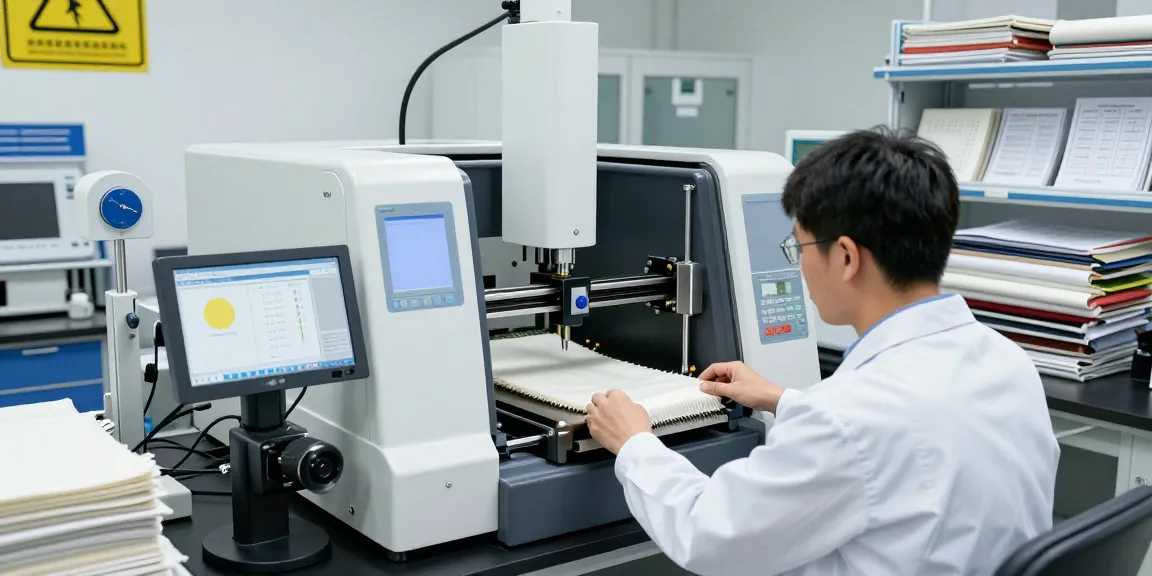
A textile lab tensile testing machine is a precision instrument designed to measure the tensile properties of materials. It evaluates how much force a fabric can withstand before it breaks, providing critical data on tensile strength and elongation at break. This testing is essential for various applications, including quality control in manufacturing processes, product development, and material research.
The Role of Tensile Testing in Quality Assurance
Tensile testing is a cornerstone of quality assurance in textile production. By assessing the strength and elasticity of materials, manufacturers can identify potential weaknesses before products reach consumers. Various standards like ASTM and ISO dictate the testing parameters, ensuring that results are consistent and reliable. Without tensile testing, companies risk producing garments that could fail under stress, leading to financial losses and damage to brand reputation.
Key Benefits of Using a Textile Lab Tensile Testing Machine
- Precision and Accuracy: Advanced machines like the SmartPull Fabric Tensile Tester feature AC servo motors and ball screws, which enhance testing accuracy to within 1% error.
- Compliance with Standards: These machines adhere to various international standards, ensuring that test results are credible and recognized across borders.
- Enhanced Product Development: Understanding material properties allows manufacturers to innovate and improve their products, tailoring them to specific market demands.
- Cost-Effective Quality Control: By identifying flaws early, companies can save costs associated with returns and rework.
How Does a Textile Lab Tensile Testing Machine Work?
Overview of the Testing Process
The testing process begins with preparing the fabric sample, which is then clamped securely at both ends. The tensile tester gradually applies force at a controlled speed until the fabric fails. During this process, the machine measures the amount of force applied and the elongation of the sample, providing data that can be analyzed for quality assessment.
Components of the Tensile Tester
A typical textile tensile testing machine is composed of several key components:
- Power System: An AC servo motor drives the pulling mechanism, ensuring consistent and precise force application.
- Load Cells: These are responsible for converting mechanical forces into electrical signals, allowing for accurate measurement of tensile strength.
- Displacement Transducers: They measure the elongation of the fabric during the test, providing critical information on how the material behaves under stress.
- Control Software: Advanced software solutions offer data analysis capabilities, displaying results in real-time and helping users make informed decisions based on test outcomes.
Calibration and Accuracy Standards
Calibration is paramount in maintaining accuracy in tensile testing. Regular maintenance and recalibration of the machine ensure that it operates within specified tolerances. Adherence to standards such as ASTM D5034 and ISO 13934-1 is crucial, as these protocols dictate the testing conditions, including the speed and force parameters. By following these guidelines, laboratories can ensure the reliability and validity of their testing results.
Selecting the Right Textile Lab Tensile Testing Machine
Factors to Consider When Choosing a Testing Machine
When selecting a tensile testing machine, several factors should be taken into account:
- Testing Capacity: Assess the maximum load the machine can handle, which is crucial for the materials you intend to test.
- Speed Range: Different fabrics may require different testing speeds, so a flexible speed range is beneficial.
- Ease of Operation: User-friendly interfaces and software can significantly enhance the efficiency of testing procedures.
- Compliance with Standards: Ensure the machine meets the necessary testing standards pertinent to your industry.
Comparing Features and Specifications
Features such as multi-step testing capabilities, data analysis software, and ergonomic designs can vary significantly among different models. It’s essential to compare specifications, such as force accuracy and travel range, to find a machine that best fits your operational needs. Look for models that offer optional fixtures and accessories for greater versatility in testing various materials.
Understanding Testing Standards Compliance
Compliance with international testing standards is critical for any laboratory. This ensures that test results are not only valid but also accepted globally. Familiarize yourself with the standards applicable to your industry, such as ISO 3377-2 for leather testing and ASTM D6797 for textile durability. Investing in a machine that meets these standards can save time and resources in the long run.
Real-World Applications of Textile Lab Tensile Testing Machines
Case Studies from Various Industries
Numerous industries benefit from tensile testing machines. For example, in the automotive sector, fabric strength is tested to ensure that automotive upholstery can withstand wear and tear. Similarly, in the fashion industry, designers use tensile testing to understand how fabrics will behave under everyday conditions, influencing their design decisions.
Success Stories from Leading Fabric Manufacturers
Leading fabric manufacturers report significant improvements in product quality and performance after incorporating advanced tensile testing machines like the SmartPull into their production processes. By leveraging detailed insights from tensile testing, these companies have been able to reduce their defect rates and enhance customer satisfaction.
Impact on Product Development and Innovation
Using tensile testing data, manufacturers can innovate more effectively, developing products that meet specific consumer demands and withstand rigorous usage. This proactive approach to product development not only strengthens brand reputation but also drives market success.
The Future of Textile Lab Tensile Testing Machines
Emerging Technologies in Testing Equipment
As technology advances, so too does the capability of tensile testing machines. Emerging technologies include AI and machine learning, which can improve data analysis and predictive modeling of material behavior. These technologies promise to enhance product testing and quality assurance processes even further, making future machines more intelligent and efficient.
Trends to Watch in Textile Testing for 2026
Looking ahead to 2026, trends such as increased automation in testing processes and the integration of IoT for real-time data tracking will likely dominate the textile testing landscape. These advancements can lead to improved efficiency, reduced testing times, and enhanced collaboration across development teams.
Positioning Your Business for Success with Advanced Testing
To remain competitive in an evolving market, businesses must embrace advanced testing technologies. This not only involves investing in reliable textile lab tensile testing machines but also adopting best practices for quality assurance that leverage new methods and standards. By doing so, companies can ensure they meet consumer expectations and regulatory requirements while driving product innovation.
Common Applications of a Textile Lab Tensile Testing Machine
Tensile testing machines are used across various applications, including:
- Textiles: Evaluating the strength and elasticity of fabrics used in clothing and upholstery.
- Leather: Testing the durability and performance of leather goods.
- Yarn: Assessing the tensile strength and quality of different types of yarns.
- Footwear: Ensuring that materials used in shoe production can withstand daily wear and tear.
How do you calibrate a textile lab tensile testing machine?
Calibration of a textile lab tensile testing machine involves a systematic process. It typically includes:
- Establishing reference points with known standards.
- Adjusting the machine settings to align with these standards.
- Regularly checking the accuracy of the load cells and displacement transducers.
What standards do textile testing machines need to meet?
Textile testing machines must comply with various international standards, including ASTM, ISO, and GB standards, which regulate testing methods and ensure consistency in results. Compliance helps businesses maintain quality assurance and credibility in their testing processes.
What factors determine the price of tensile testing machines?
The price of a tensile testing machine can be influenced by several factors:
- Testing capacity and specifications.
- Incorporated technology and features.
- Compliance with international standards.
- Brand reputation and service support offered by the manufacturer.
How can organizations benefit from investing in tensile testing technology?
Investing in tensile testing technology allows organizations to enhance product quality, reduce waste, and streamline the development process. It also provides data that can help inform strategic decisions, improve compliance with industry standards, and ultimately enhance customer satisfaction.