Understanding Industrial Generator Solutions
In the ever-evolving landscape of industrial operations, the need for reliable power sources is more crucial than ever. Industrial generator solutions have emerged as a vital necessity to ensure continuous operations, particularly in sectors that require a steady supply of electricity to maintain productivity. From construction sites to manufacturing plants, the demand for robust, customized power solutions is significant. When exploring options, industrial generator solutions can provide comprehensive insights into meeting specific operational needs.
What Are Industrial Generators?
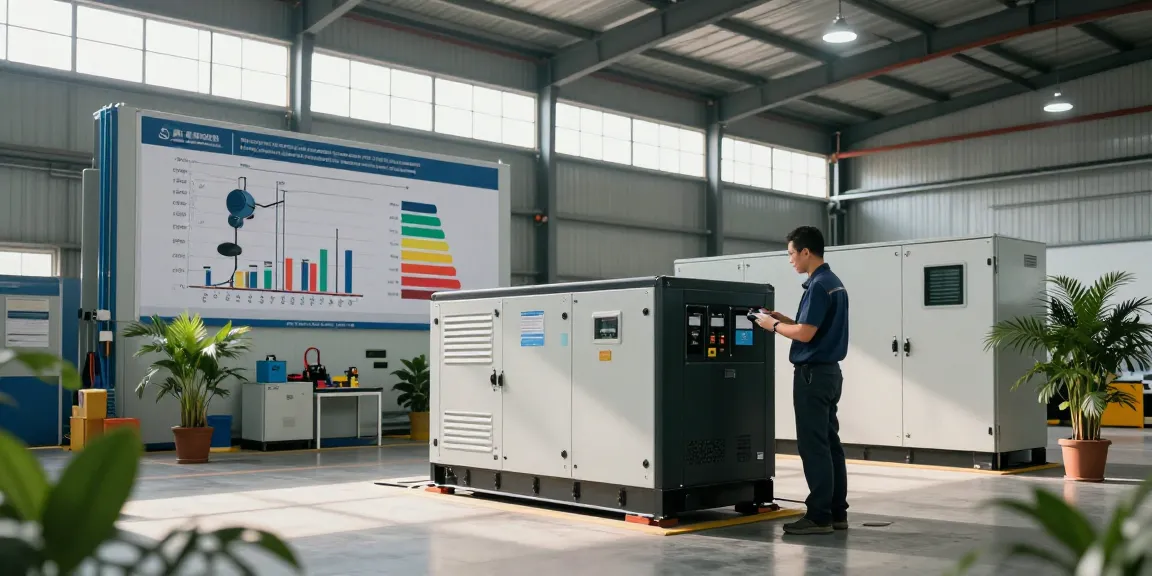
Industrial generators are large-scale power systems designed to supply electricity for various applications, often in commercial and industrial settings. Unlike residential generators, which typically cater to lighter energy demands, industrial generators are engineered to handle substantial loads, making them essential for operations that cannot afford downtime. These generators can run on different fuels, including diesel, gas, and biogas, enabling flexibility depending on local availability and cost factors.
Key Components of Generator Solutions
Every industrial generator consists of multiple components that work synergistically to ensure reliable power delivery. Key components include:
- Engine: The principal power source that converts fuel into mechanical energy.
- Alternator: Converts mechanical energy into electrical energy, a critical function for any generator.
- Control Panel: Manages the generator’s operation, including starting and stopping, as well as monitoring performance.
- Cooling System: Maintains optimal operating temperature to ensure efficiency and reliability.
- Fuel System: Manages the intake of fuel to the engine, crucial for maintaining power output.
Importance of Customization for Operational Needs
Customizing generator solutions to fit specific operational demands is fundamental for maximizing efficiency and longevity. Factors like temperature, air quality, humidity, and the precise load requirements influence how a generator should be configured. Manufacturers like Huaquan Power offer tailored solutions that cater to various country and industry needs, ensuring optimal performance across diverse scenarios.
Benefits of Industrial Generator Solutions
Enhanced Reliability and Performance
The primary advantage of using industrial generators lies in their ability to provide consistent, reliable power. In industries where interruptions can lead to significant losses, having a dedicated power solution ensures that operations run smoothly, regardless of external circumstances. This reliability is further enhanced by regular maintenance schedules and adherence to professional standards.
Cost-Efficiency and Long-Term Savings
Investing in industrial generator solutions can lead to substantial cost savings in the long run. While the upfront costs may seem significant, the avoidance of downtime and operational interruptions can result in higher productivity levels and, consequently, increased revenue. Moreover, advancements in technology mean that modern generators are more fuel-efficient, further driving down operational costs.
Environmental Impact and Sustainability
As industries pivot towards sustainable practices, the role of environmentally friendly generator solutions gains prominence. Many modern generators are designed to operate on cleaner fuels and are equipped with technologies that minimize emissions. This focus on sustainability enables companies to not only comply with regulatory requirements but also appeal to environmentally-conscious consumers.
Choosing the Right Generator Set
Performance Metrics to Consider
When selecting an industrial generator, several performance metrics need to be evaluated, including:
- Power Output: Ensure the generator can handle peak load requirements without risk of overload.
- Fuel Efficiency: Look for models that provide the best fuel-to-power ratio.
- Noise Levels: For generators used in urban settings, consider models with lower decibel ratings.
- Run Time: Assess how long the generator can operate before needing refueling.
Evaluating Country-Specific Conditions
Generators must be evaluated based on the specific conditions of their operational environment. This includes assessing the temperature extremes, humidity levels, and air quality, which can significantly impact generator efficiency. Customized solutions from experts ensure the generators are fit for purpose, regardless of geographical challenges.
Common Misconceptions About Generator Solutions
Many misconceptions surround industrial generators, including the belief that they are only necessary during power outages. In reality, these generators play a vital role in ensuring uninterrupted operations and can also contribute to energy management strategies. Another misconception is that all generators are interchangeable; however, each model has its specifications and ideal applications that must be matched to ensure optimal performance.
Order Process for Industrial Generators
Streamlined Steps for Effective Selection
The order process for industrial generators can be simplified into a series of actionable steps:
- Needs Assessment: Identify power requirements, environmental conditions, and application scenarios.
- Consultation: Engage with a manufacturer or supplier for tailored recommendations.
- Quote Generation: Request detailed quotations that outline all costs involved.
- Finalization: Confirm specifications, pricing, and delivery timelines, ensuring clarity in all aspects of the order.
Importance of Customer Support Throughout the Process
Customer support is vital throughout the ordering process, ensuring that clients receive the guidance they need to make informed decisions. Companies like Huaquan Power emphasize dedicated customer service, providing support not only during the purchase phase but also throughout the generator’s operational life.
Real-Time Quotes and Solutions Tailored to You
The ability to generate real-time quotes and provide tailored solutions is increasingly becoming a competitive advantage. Investors in industrial generators benefit from immediate access to pricing and solutions that are optimized for their specific needs, making the selection process more efficient and effective.
Future Trends in Industrial Generator Solutions
Innovative Technologies Shaping the Industry
As technology evolves, so do the capabilities of industrial generators. Key trends include:
- Hybrid Generators: Combining traditional fuel sources with renewable energy options enhances efficiency and reduces environmental impact.
- Smart Technology: IoT integration allows for real-time monitoring and predictive maintenance, helping to avoid costly emergencies.
- Modular Designs: These generators offer scalability, allowing companies to start with a smaller unit and upgrade as their power needs increase.
Projections for 2026 and Beyond
Looking ahead, the industrial generator market is expected to grow significantly. By 2026, innovations in battery storage and cleaner technologies will likely dominate the landscape, providing businesses with more sustainable options than ever before. Furthermore, the integration of renewable energy sources into generator systems will become mainstream, aligning with global goals to reduce carbon emissions.
Case Studies Highlighting Successful Implementations
Examining real-world applications underscores the importance of choosing the right generator solutions. For instance, a case study in the manufacturing sector revealed that implementing a customized generator significantly reduced energy costs by 20%, while also improving operational reliability. Such examples demonstrate the powerful impact of advanced industrial generator solutions when tailored to specific needs.
What types of applications are best suited for industrial generators?
Industrial generators are best suited for applications where power reliability is non-negotiable, including:
- Manufacturing plants requiring constant energy to keep production lines operational.
- Construction sites needing power for heavy machinery.
- Data centers where continuous power is critical for server operations and data integrity.
How do I determine the right size generator for my needs?
Determining the right size generator involves assessing your total electrical load requirements, including peak demands. Consult with a professional to calculate the necessary kilowatt (kW) output based on the devices you intend to power.
What maintenance practices are essential for generator longevity?
To ensure longevity, regular maintenance should include:
- Routine oil and filter changes.
- Inspection of fuel lines and connections.
- Testing battery health and voltage.
- Regular load testing to ensure operational capability.
How can industrial generators contribute to renewable energy goals?
Industrial generators can complement renewable energy sources by serving as backup power during peak loads or outages. Additionally, hybrid systems that utilize both generators and renewable energy reduce reliance on fossil fuels, aligning with sustainability goals.
What are the common challenges faced during installation?
Common installation challenges can include:
- Space limitations and site accessibility for larger units.
- Compliance with local regulations and zoning laws.
- Integration with existing power systems and infrastructure.